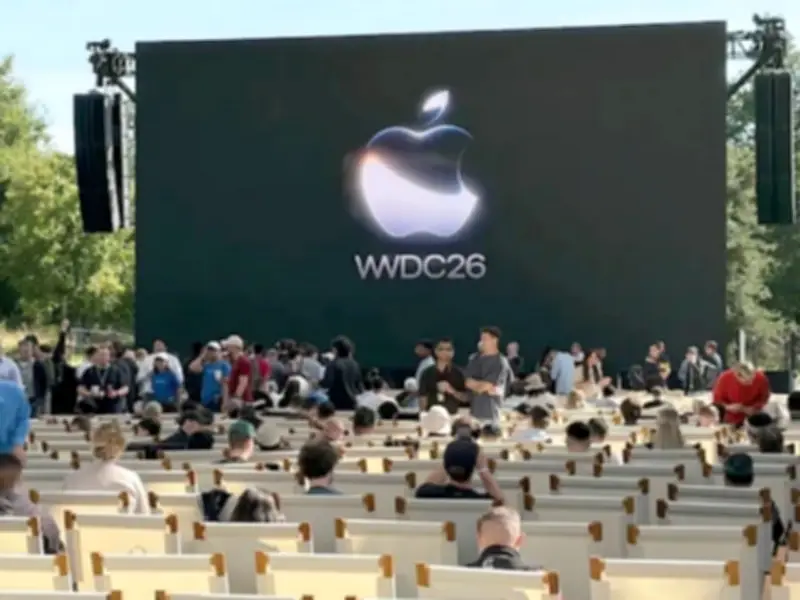
Apple's long-awaited artificial intelligence push took centre stage at this year's Worldwide Developers Conference (WWDC), as the iPhone maker sought to recover from earlier setbacks and convince developers and consumers that Siri can still become a serious AI assistant.
Renewed Strategy for Apple Intelligence
Two years after unveiling Apple Intelligence and promising a major transformation of Siri, the company returned with a renewed strategy centred on practical AI features rather than headline-grabbing technology. The original rollout failed to meet expectations, with several promised Siri upgrades delayed, prompting criticism and even legal challenges from customers.
Siri AI: Enhanced Capabilities
At the heart of Apple's latest effort is Siri AI, an upgraded assistant designed to hold more natural conversations, understand personal context and work across apps such as Mail, Maps and Calendar. The company believes its greatest AI advantage lies in the vast amount of personal information already stored on users' devices, including messages, emails, appointments and documents, which could help Siri provide more relevant responses and complete tasks more effectively.

Privacy and Integration Challenges
Analysts say Apple's challenge is balancing those capabilities with its long-standing commitment to privacy. Unlike many rivals, Apple keeps much of its user data locked within its operating systems, limiting how apps access information and making AI integration more complicated. Developers are also expected to gain new tools allowing their applications to connect with Siri through Apple's extension framework. Reports suggest developers may be able to choose AI models from providers such as OpenAI, Anthropic and Google, while Apple could also introduce new ways to tap into the AI-processing power of its custom-designed chips.
Partnership with Google Gemini
In a notable shift, Apple has turned to Google's Gemini technology to power parts of its new AI offerings instead of relying entirely on internally developed models. The partnership reflects Apple's determination to accelerate its AI capabilities without matching the enormous spending commitments made by rivals such as Microsoft and Google.
Focus on Practical Experiences
Company executives stressed that Apple's approach focuses on useful experiences rather than AI for its own sake. Software chief Craig Federighi argued that artificial intelligence should be deployed carefully and responsibly, delivering tangible benefits rather than simply showcasing technological prowess. The strategy appears consistent with Apple's broader philosophy. While competitors have promoted increasingly sophisticated AI agents capable of carrying out complex online tasks, analysts do not expect Apple to aggressively pursue such technologies yet, citing unresolved security and reliability concerns.
New Features and Limitations
Some newly announced features, including image-generation tools, will be subject to daily usage limits because they rely on powerful cloud-based AI models. Meanwhile, Siri AI will initially be unavailable in Europe and China as Apple navigates regulatory requirements in those key markets.
Financial Resilience and Leadership Transition
Despite perceptions that it has lagged behind competitors in AI development, Apple's financial performance has remained resilient. Strong iPhone sales and investor confidence have helped support its stock, even as rivals race to spend hundreds of billions of dollars building AI infrastructure. The conference also carried symbolic weight as Tim Cook made his final WWDC appearance as chief executive before handing leadership to longtime executive John Ternus in September. For Apple, the event marked not only a leadership transition but also a fresh attempt to prove that its AI ambitions remain very much alive.