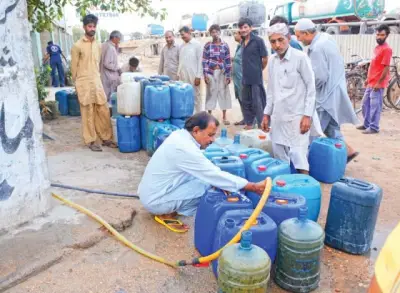
In a groundbreaking move to combat Pakistan's escalating water crisis, the Asian Development Bank has unveiled a comprehensive Glaciers and Farms Program designed to protect the nation's vital water sources and revolutionize agricultural practices.
A Race Against Time for Water Security
The $500 million initiative comes at a critical juncture as Pakistan faces unprecedented challenges from climate change. The country's glaciers, which serve as natural water reservoirs for millions, are melting at alarming rates, threatening long-term water availability for both drinking and irrigation purposes.
"This program represents a strategic investment in Pakistan's future," stated ADB officials during the launch ceremony. "We're addressing both the symptoms and root causes of water scarcity through integrated solutions that bridge environmental protection and agricultural productivity."

Key Components of the Transformative Program
- Glacier Protection Systems: Advanced monitoring and conservation technologies to slow glacial melt
- Smart Irrigation Infrastructure: Modern water-efficient systems for agricultural zones
- Farmer Training Initiatives: Education programs on climate-resilient farming techniques
- Water Storage Solutions: Enhanced reservoir capacity to capture seasonal water flows
- Research and Development: Localized studies on glacier behavior and agricultural adaptation
Safeguarding Pakistan's Agricultural Backbone
The agricultural sector, which employs nearly 40% of Pakistan's workforce and contributes significantly to GDP, stands to benefit enormously from this initiative. By combining glacier conservation with farming innovation, the program aims to create a sustainable water-agriculture ecosystem that can withstand climate pressures.
Farmers across Punjab, Sindh, and other agricultural heartlands will receive support in transitioning to water-efficient crops and irrigation methods, potentially increasing yields while reducing water consumption by up to 30%.
Long-term Vision for Water Resilience
Beyond immediate interventions, the ADB program establishes a framework for ongoing water management that aligns with Pakistan's climate commitments. The initiative includes partnerships with local research institutions, government agencies, and farming communities to ensure solutions are culturally appropriate and economically viable.
As Pakistan continues to rank among the world's most water-stressed nations, this comprehensive approach to managing both water sources and consumption patterns marks a significant step toward sustainable development and food security for future generations.