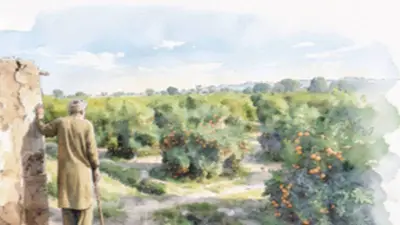
Pakistan's ambitious push to expand its olive cultivation is facing a formidable new challenge: the escalating impacts of climate change. Farmers and agricultural experts are raising alarms as shifting weather patterns, unpredictable rainfall, and rising temperatures threaten the viability of young orchards and the promise of a lucrative, import-substituting industry.
The Growing Threat to a Promising Crop
For years, Pakistan has invested in olive farming, particularly in provinces like Punjab and Khyber Pakhtunkhwa, aiming to reduce its hefty edible oil import bill and utilize marginal lands. However, the very foundation of this agricultural endeavor is now under stress. Prolonged heatwaves and irregular precipitation cycles are disrupting the delicate growth phases of olive trees, which require specific chilling hours in winter and balanced water access for optimal fruit setting.
Experts note that the traditional growing regions are experiencing warmer winters, which can lead to poor flowering. Conversely, unexpected late frosts or intense spring rains can damage blossoms and nascent fruit. This climatic volatility makes it increasingly difficult for farmers to predict yields and manage their orchards effectively, putting their investments and livelihoods at risk.

Farmers on the Frontlines of Adaptation
On the ground, olive growers are being forced to innovate and adapt their practices in real-time. A primary focus has shifted to water conservation and efficient irrigation. With water scarcity intensifying across the country, many are adopting drip and sprinkler systems to deliver precise amounts of water directly to the tree roots, minimizing wastage.
Furthermore, there is a growing emphasis on selecting and cultivating more resilient olive varieties. Research institutions are working to identify strains that can better tolerate heat stress and require less chilling. Soil management is also becoming critical; farmers are using mulching techniques to retain soil moisture and protect roots from extreme heat. These adaptation strategies are no longer optional but essential for survival in the changing agricultural landscape of Pakistan.
Broader Implications and the Path Forward
The challenges facing olive orchards are a microcosm of the broader threat climate change poses to Pakistan's entire agricultural sector, which remains the backbone of the economy and a primary source of employment. The situation underscores the urgent need for integrated national policies that combine climate action with agricultural support.
This includes increased funding for agricultural research focused on climate-resilient crops, better early warning systems for farmers, and subsidies for water-saving technologies. The success or failure of niche sectors like olive cultivation will serve as a crucial test case for Pakistan's ability to adapt its food production systems to a warmer world.
While the future is fraught with challenges, the proactive adaptation by some farmers offers a glimmer of hope. The story of Pakistan's olive orchards is becoming one of resilience, innovation, and a desperate race to adapt before the changing climate alters the nation's agricultural map for good.