At least 24 people have been confirmed dead after days of torrential rain triggered floods and landslides in the capital cities of Ghana and Ivory Coast, authorities said Tuesday. Emergency workers continued to pull hundreds of stranded residents from submerged buildings.
Ghana: 12 confirmed dead, including mother and child
Entire buildings and roads were submerged in Accra on Monday, cutting off access to several areas of the Ghanaian capital and the neighboring city of Tema. At least 12 people have been confirmed dead in Ghana, including a mother and her child who were both swept away in the Achimota-Agbogbloshie district, according to Alex King Nartey, a spokesperson for the Ghana National Fire Service.
Videos of the floods in Accra showed residents swimming through neck-deep water to rescue trapped neighbors, while vehicles were abandoned on flooded roads. Access to affected areas was “a big problem” for the emergency services, which had to request the help of the military, said Nartey. Several neighborhoods remained partially flooded by Tuesday morning.

Ivory Coast: more than a dozen dead in Abidjan
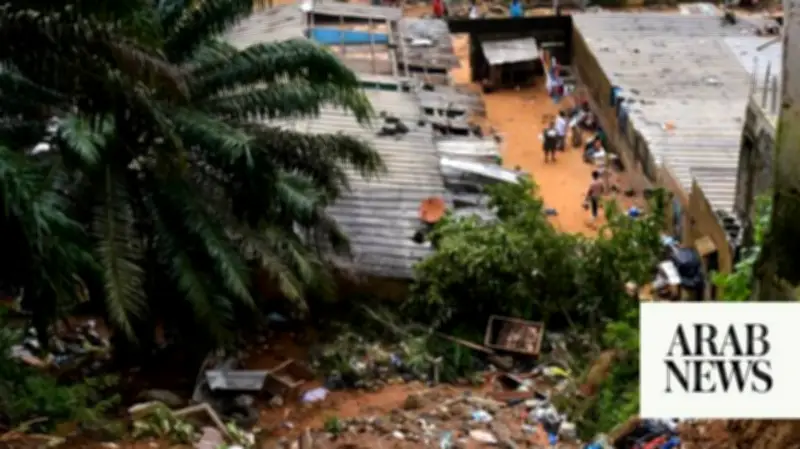
In Ivory Coast, several days of rain brought flooding that left more than a dozen people dead, most of them in the municipalities of Attécoubé and Yopougon in the capital, Abidjan, according to Minister of National Cohesion Myss Belmonde Dogo. Local media reported that at least nine of the dead were trapped under rubble in the same area in the Mossikro neighborhood following rains that started on Saturday.
Emergency response and warnings
Ghana’s National Disaster Management Organization said emergency calls began pouring in around 7 a.m. on Monday as residents realized floodwaters were entering their homes. “The whole place was flooded. It’s alarming,” said Mariam Dongyela Millah, deputy director of communications at the disaster agency. The Ghana Meteorological Agency urged locals to prepare for more rain this week in Accra.
Deadly floods are common in parts of Africa, which is among the regions most vulnerable to extreme weather events despite being responsible for a small fraction of global greenhouse gas emissions, according to the World Meteorological Organization.