Pakistan's vibrant horticulture sector has set its sights on an ambitious goal: boosting its annual exports to a staggering $2 billion. This bold target was announced by industry leaders who believe the country's rich variety of fruits and vegetables holds immense untapped potential in the global marketplace.
Unlocking the Potential of Mangoes and Citrus
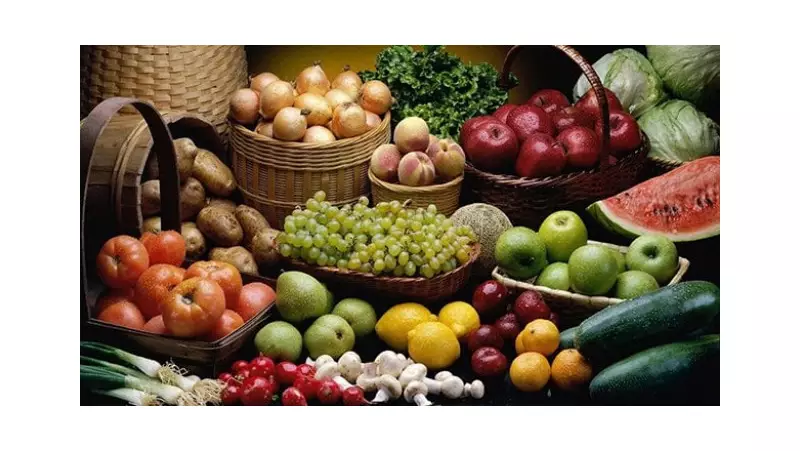
The strategy to reach this multi-billion dollar figure hinges on maximizing the export value of Pakistan's flagship fruits. The sweet, fragrant mango, often called the king of fruits, is a primary focus. Similarly, the juicy kinnow and other citrus varieties are seen as major revenue drivers. Industry experts point out that by improving quality, meeting international phytosanitary standards, and enhancing packaging, these fruits can command significantly higher prices abroad.
Currently, the sector faces several hurdles that prevent it from realizing its full financial potential. A major bottleneck is the lack of modern processing and cold storage facilities. This leads to significant post-harvest losses, estimated to be as high as 40% for some perishable items. Without a robust cold chain infrastructure, maintaining the freshness and quality of produce during transit remains a critical challenge.

Government Support and Market Access Key to Success
Achieving the $2 billion mark is not a task for the private sector alone. Industry stakeholders are calling for concerted government support to make this vision a reality. Key requests include subsidies on air freight for perishable goods, which would make Pakistani fruits more competitive in distant markets like Europe and the Far East.
Furthermore, negotiating better market access through trade diplomacy is crucial. Gaining entry into new, high-value markets and simplifying existing export procedures can dramatically increase shipment volumes. The role of research institutions is also highlighted, emphasizing the need for developing new, high-yield, and disease-resistant crop varieties to ensure consistent supply.
Overcoming Challenges for a Fruitful Future
The road to $2 billion is paved with both opportunity and obstacle. Beyond infrastructure, issues like climate change, affecting crop patterns and yields, and the need for modern farming techniques among growers must be addressed. Adopting Global GAP (Good Agricultural Practices) certification is essential to reassure international buyers about the safety and quality of the produce.
If these challenges are met, the rewards are substantial. Increased horticulture exports will not only bring in valuable foreign exchange but also create numerous jobs across the value chain—from farms and packing houses to logistics and marketing. It represents a sustainable path to elevating Pakistan's agricultural economy and strengthening its position on the world trade map.
The sector's ambitious target underscores a collective confidence in the quality of Pakistan's natural produce. With strategic planning, investment, and public-private partnership, the goal of transforming the nation's orchards into a $2 billion export engine is within reach.