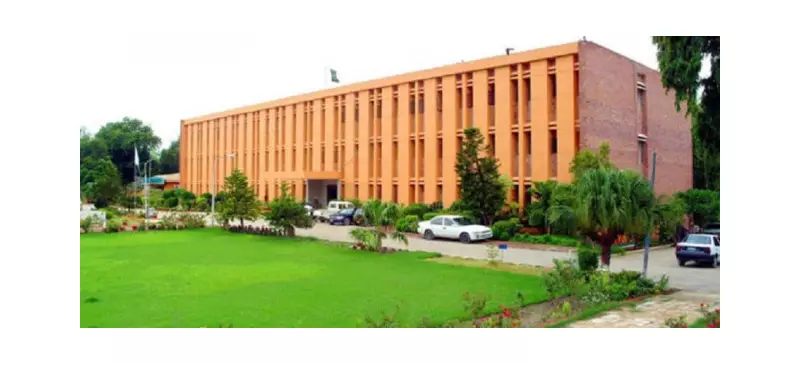
In a significant leap for Pakistan's agricultural sector, Sindh Agriculture University (SAU) in Tandojam has achieved a remarkable feat by successfully cultivating berries on land previously deemed unfit for farming. This pioneering research opens new avenues for utilizing problematic soils across the country.
Turning Barren Land Productive
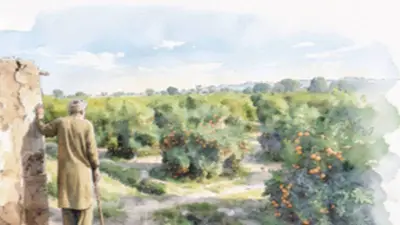
The university has established a substantial 15-acre experimental berry cultivation block specifically on salt-affected and saline terrain. The inauguration of this groundbreaking project was led by SAU Vice Chancellor Dr. Altaf Ali Siyal. This initiative challenges the long-held belief that such land cannot support profitable or nutritious crops, potentially converting vast unproductive areas into agricultural assets.
Diverse Research at Latif Farm
Simultaneously, the university's research efforts are expanding. At the Latif Farm, experimental cultivation of modern wheat and mustard varieties has also been initiated. During a visit to the sites, Director Farms Dr. Muhammad Mithal Lund provided the Vice Chancellor with a comprehensive briefing. He detailed the ongoing research activities, various experimental trials, and the encouraging preliminary results being observed across multiple crops.

Advanced Mustard Varieties for Health and Yield
A key highlight of the research involves two advanced mustard varieties cultivated on raised beds. The first, Mazola, is distinguished by containing zero erucic acid, a compound that can be harmful in large quantities, making this variety highly beneficial for human health. The second variety, Cazola, boasts a higher yield potential, aiming to boost production for farmers. The cultivation of these varieties addresses both nutritional security and economic productivity.
The combined efforts in berry, mustard, and wheat cultivation represent a holistic approach to agricultural innovation. By developing techniques for saline land and introducing improved crop varieties, SAU Tandojam is directly contributing to food security, farmer prosperity, and the sustainable use of Pakistan's land resources. These research milestones could redefine agricultural practices in regions struggling with soil salinity and water scarcity.