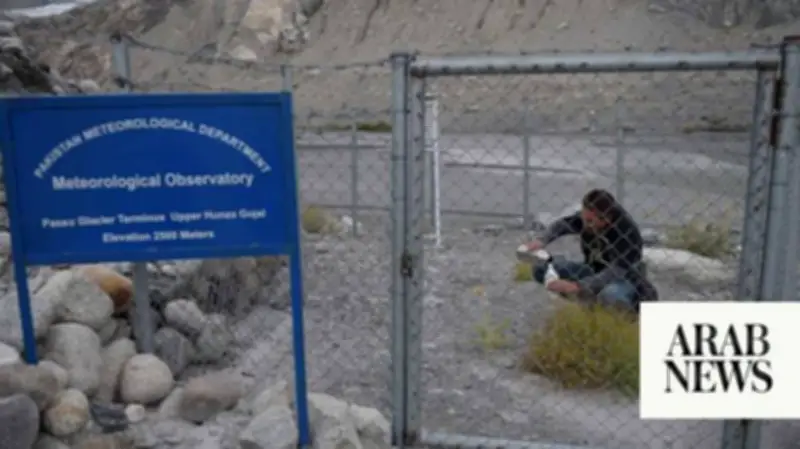
The World Meteorological Organization (WMO), a United Nations specialized agency, has recognized eight hydrological observatories in Pakistan for maintaining more than a century of continuous observations, the Pakistan Meteorological Department (PMD) announced on Thursday. This recognition comes as Pakistan faces increasingly severe weather events linked to climate change, including floods, droughts, and heatwaves.
Significance of Long-Term Records
Long-term observational records are critical for distinguishing lasting climate trends from natural weather variability. They also improve flood forecasting, water management, and climate research. The WMO’s recognition highlights the importance of these stations in providing high-quality data that helps scientists assess environmental changes.
“Pakistan Meteorological Department has achieved another milestone,” PMD said in a statement. “Eight observatories are recognized by the World Meteorological Organization for more than 100 years of hydrological observations services.”

Recognized Observatories
The eight recognized observatories are located in Cherat, Dalbandin, Faisalabad, Jacobabad, Multan, Panjgur, Parachinar, and Pasni. These stations monitor and record data related to rivers, rainfall, streamflow, and other aspects of the water cycle. Certificates issued by the WMO in June 2026 state that each station is “recognized as a Long-Term Observing Station” for maintaining more than 100 years of hydrological observations.
Climate Context in Pakistan
Pakistan has experienced erratic weather patterns in recent years, with increasingly frequent floods, droughts, and heatwaves. The long-term records from these stations are vital for understanding climate impacts and improving preparedness. According to the WMO certificates, long-term environmental observations are “part of the irreplaceable cultural and scientific heritage of mankind” because they provide high-quality records that help assess climate and environmental variability and change.
Role of WMO
The WMO is responsible for international cooperation on weather, climate, and water. It coordinates global observing systems used for weather forecasting and climate monitoring. The recognition of these Pakistani stations underscores their contribution to global scientific efforts.