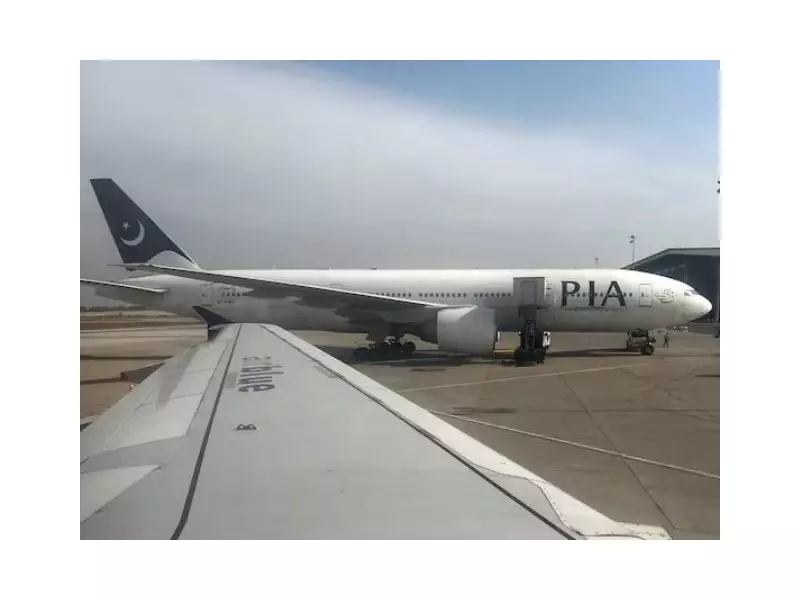
Pakistan International Airlines has launched serious allegations against its engineers' association, claiming the union is actively working to derail the carrier's crucial privatization process. The national flag carrier finds itself in a bitter dispute with the Society of Aircraft Engineers of Pakistan (SAFE) as the government pushes forward with its privatization agenda.
PIA's Formal Complaint Against Engineers Union
In a significant development, PIA management filed an official complaint with the Pakistan Engineering Council (PEC) on February 12, 2024. The airline accused SAFE of engaging in activities that directly threaten the privatization initiative that has been years in the making. According to PIA's submission, the engineers' body has been using its platform to discourage potential investors from participating in the bidding process.
The complaint specifically highlights that SAFE representatives have been contacting prospective bidders and presenting what PIA describes as a "misleading and bleak picture" of the airline's technical capabilities and maintenance operations. This interference, PIA argues, could severely impact the valuation of the airline and deter serious investors from considering the acquisition.

The Core Conflict: Job Security vs. Privatization
At the heart of this confrontation lies the fundamental disagreement between management and technical staff about the future of the airline. PIA engineers, represented by SAFE, have expressed deep concerns about how privatization might affect their job security, working conditions, and professional standing within the organization.
The airline management, however, maintains that privatization is essential for PIA's survival and long-term sustainability. They argue that without significant private sector investment and modernization, the national carrier cannot compete effectively in the global aviation market. The ongoing financial losses and operational challenges have made restructuring imperative, according to PIA officials.
Sources within the aviation ministry indicate that the government is determined to move forward with the privatization plan despite the resistance from various employee groups. The process has gained renewed momentum in recent months as part of broader economic reforms being implemented across state-owned enterprises.
Potential Consequences and Next Steps
The escalating tension between PIA management and its engineers threatens to create further complications for an airline already struggling with financial and operational challenges. Any disruption in engineering operations could directly impact flight safety and schedule reliability, potentially causing additional financial losses and reputational damage.
Industry analysts suggest that this conflict could delay the privatization timeline significantly if not resolved promptly. The Pakistan Engineering Council now faces the delicate task of mediating between the two parties while ensuring that professional standards and ethical guidelines are maintained throughout the process.
Meanwhile, potential investors are closely monitoring the situation, as labor stability represents a critical factor in their valuation assessments. The outcome of this dispute could ultimately determine whether PIA succeeds in attracting the level of investment needed to revitalize the aging national carrier.
As the standoff continues, both sides appear prepared for a prolonged confrontation, with PIA management insisting on moving forward with privatization and the engineers' union vowing to protect the interests of its members during this transformative period for the airline.