In a significant move aimed at bolstering the national economy, Prime Minister Shehbaz Sharif has issued clear directives to the country's banking sector. The Prime Minister has instructed banks to significantly ease the process of obtaining credit for two vital segments of the economy: small and medium-sized enterprises (SMEs) and the agricultural community.
Prime Minister's Directive to Financial Institutions
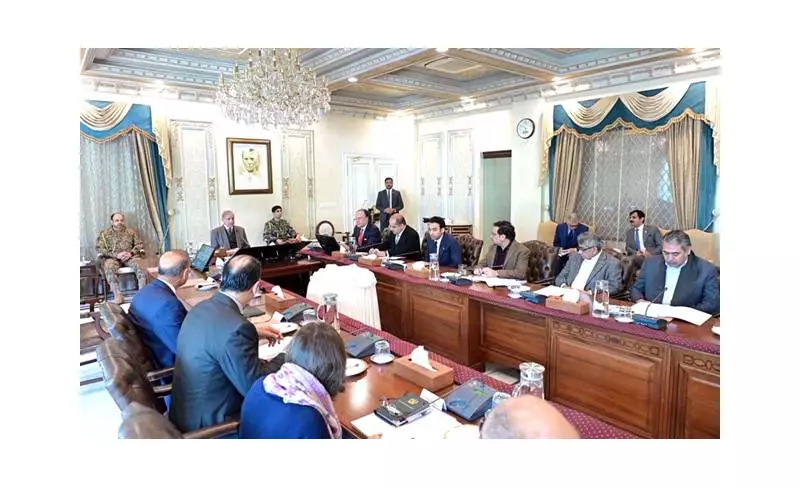
During a high-level meeting focused on economic matters, Prime Minister Shehbaz Sharif emphasized the critical role that accessible financing plays in economic development. He specifically called upon banks and financial institutions to remove unnecessary hurdles and simplify their procedures. The goal is to ensure that SMEs and farmers can secure loans without facing complex bureaucratic delays.
The Prime Minister underscored that these sectors are the backbone of Pakistan's economy, providing immense employment and contributing substantially to exports and GDP. However, their growth has often been stifled by a lack of working capital and investment. This new directive seeks to directly address that financing gap and unlock their potential.

Focus on Key Economic Drivers
The government's strategy has a dual focus. First, it aims to empower small and medium-sized enterprises (SMEs), which are often described as the engine of industrial growth and innovation. Easier credit will allow these businesses to expand operations, purchase new equipment, and hire more staff.
Second, and equally important, is the focus on the agricultural sector. Farmers frequently struggle to secure timely loans for seeds, fertilizers, and modern machinery. By facilitating credit, the government hopes to enhance agricultural productivity, improve yields, and increase the income of rural communities. This move is also seen as a step towards ensuring greater food security for the nation.
Expected Outcomes and Economic Impact
The directive from the Prime Minister is expected to have a ripple effect across the economy. Increased lending to SMEs can stimulate industrial output, boost exports, and create numerous job opportunities. For the agriculture sector, better access to finance can lead to modernization and higher production, ultimately stabilizing prices and reducing reliance on imports.
This policy shift indicates the government's commitment to a pro-growth, bottom-up economic approach. By empowering the real economy—the shopkeepers, small factory owners, and farmers—the state aims to foster sustainable and inclusive economic development. The success of this initiative will now depend on its swift and effective implementation by the banking sector, under the oversight of the relevant regulatory authorities.
The meeting, which took place recently, was attended by key officials, reflecting the high priority given to this issue. The Prime Minister's office has made it clear that monitoring mechanisms will be put in place to ensure that banks comply with these instructions and that the benefits actually reach the intended beneficiaries.