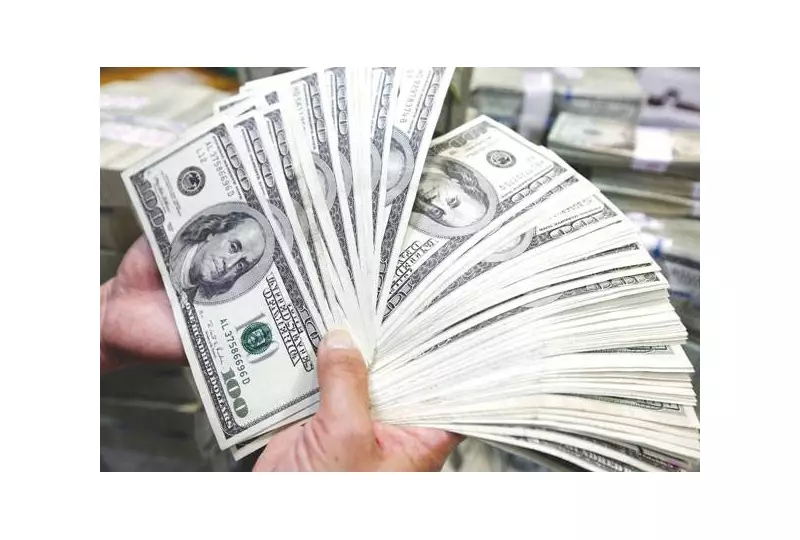
The Pakistani rupee showed marginal but positive movement against the US dollar in the interbank foreign exchange market on Friday. The local currency managed to gain ground, providing a slight respite in the ongoing economic landscape.
Rupee's Marginal Gain Against the Greenback
According to data released by the State Bank of Pakistan (SBP), the rupee appreciated by 1 paisa in the interbank market. The dollar was quoted at Rs278.65 at the closing of the trading session, compared to the previous day's closing rate of Rs278.66. This minor gain reflects the nuanced pressures and flows within the country's official currency market.
Open Market and Broader Currency Trends
In contrast to the interbank market, the situation in the open market remained stable. Reports from currency dealers indicated that the buying and selling rates for the US dollar in the open market held steady at Rs279.5 and Rs282.2, respectively. This stability in the open market, alongside the interbank movement, points to a controlled forex environment on the day.

Furthermore, the rupee exhibited strength against other major currencies. It gained 20 paisa against the Euro, which closed at Rs299.65. A more significant appreciation was seen against the British Pound, with the rupee gaining Rs1.15, bringing the Pound's rate down to Rs351.75. Against the Japanese Yen, the rupee also strengthened by 2 paisa, closing at 1.7850.
Economic Context and Market Sentiment
This marginal appreciation, though small, is being watched closely by economists and market participants. The rupee's performance against a basket of currencies, particularly its gains against the Euro and Pound, suggests specific cross-currency dynamics at play. The stability in the open market is often seen as a positive indicator, reducing the premium between the official and unofficial rates.
The foreign exchange market in Pakistan remains sensitive to a multitude of factors, including:
- Inflows from export proceeds and remittances.
- Demand from importers for settling payments.
- Broader macroeconomic indicators and monetary policy.
- International currency fluctuations, especially the US Dollar Index (DXY).
The State Bank of Pakistan's management of the exchange rate within a market-determined framework continues to be a focal point for ensuring external sector stability. While a gain of a single paisa may seem negligible, in the context of high-frequency forex trading, it represents the daily equilibrium of supply and demand forces sanctioned by the central bank.
Market analysts will continue to monitor upcoming data releases and policy announcements for clearer signals on the rupee's medium-term trajectory, especially in light of ongoing negotiations with international financial institutions and the country's balance of payments position.