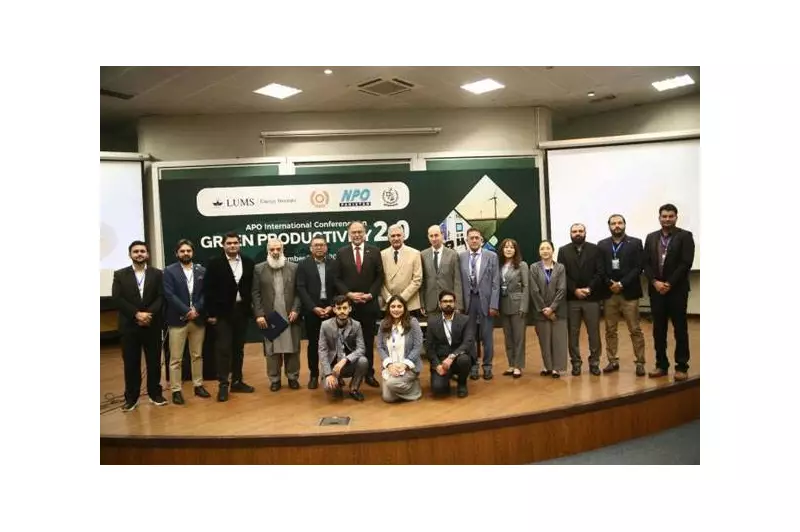
Federal Minister for Planning, Development, and Special Initiatives Professor Ahsan Iqbal has declared green productivity an economic necessity for countries like Pakistan, emphasizing that sustainable development practices are no longer optional but essential for national survival and growth.
The Urgent Call for Sustainable Development
During a significant address, the minister highlighted that Pakistan faces immense economic and environmental challenges that require immediate adoption of green productivity principles. He stressed that traditional development models have become unsustainable in the face of climate change and resource constraints.
Professor Ahsan Iqbal made these remarks while addressing a gathering of policymakers, business leaders, and environmental experts. He emphasized that countries failing to integrate environmental considerations into their economic planning would struggle to remain competitive in global markets.

Strategic Implementation Framework
The minister outlined a comprehensive approach to implementing green productivity across various sectors. Energy transformation stands as a cornerstone of this strategy, with emphasis on transitioning to renewable sources and improving energy efficiency in industrial processes.
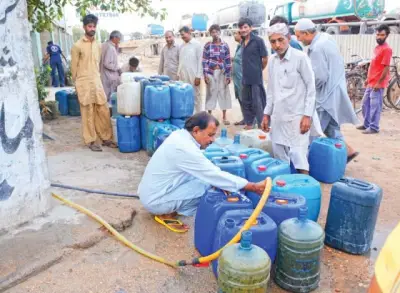
He particularly highlighted the need for sustainable agriculture practices that can enhance food security while reducing environmental impact. The water conservation crisis received special attention, with the minister noting that Pakistan's water scarcity issues require immediate adoption of efficient usage technologies and management systems.
Industrial modernization represents another critical component, where cleaner production techniques and waste reduction can significantly improve both environmental performance and economic returns.
Economic Benefits and Global Competitiveness
Professor Iqbal emphasized that green productivity isn't merely an environmental concern but a strategic economic imperative. Countries embracing sustainable practices are better positioned to access international markets increasingly focused on environmentally responsible products and services.
He noted that climate resilience building directly correlates with economic stability, as demonstrated by Pakistan's recent experiences with climate-induced disasters that have severely impacted the national economy.
The minister also pointed to the job creation potential within green industries, suggesting that targeted investments in sustainable sectors could generate significant employment opportunities while advancing environmental objectives.
Government Initiatives and Future Direction
The federal government has already begun integrating green productivity principles into national planning frameworks. Policy reforms and incentive structures are being developed to encourage private sector adoption of sustainable practices.
Professor Iqbal called for collaborative efforts between government, industry, and academia to develop homegrown solutions tailored to Pakistan's specific challenges and opportunities. He emphasized that knowledge sharing and technology transfer will be crucial for accelerating the transition to a green economy.
The minister concluded by asserting that Pakistan cannot afford to delay its embrace of green productivity, noting that the economic costs of inaction far exceed the investments required for sustainable transformation.