Faced with complex regional conflicts, Pakistan has aimed to capitalize on its geoeconomic position. However, the country has found it difficult to draw substantial foreign direct investment, especially when compared to its regional neighbors. Traditional partners like the United Kingdom, the United States, and Gulf nations have provided only limited funds, pushing Pakistan to seek new economic alliances.
The Dominance of Chinese Investment and Its Implications
Over a decade ago, Pakistan successfully initiated the China-Pakistan Economic Corridor (CPEC) with China. This partnership has grown to include closer military ties, with China now standing as Pakistan's largest foreign direct investor. Chinese investments, initially focused on infrastructure and energy, have broadened into sectors like mining, agriculture, and renewable energy.
This deepening relationship has raised eyebrows in both India and the US, who are wary of China's expanding influence. Research from US-supported initiatives, like the AidData project at William & Mary University, offers a measured view. It acknowledges that Chinese financing has enabled major infrastructure builds but highlights a critical point: most funding comes as loans, exacerbating Pakistan's existing debt burden. Unlike loans from US-backed institutions such as the World Bank and IMF, Pakistan's debt to China is less concessional. Recently, China's focus has shifted somewhat towards stabilizing Pakistan's finances through deferred repayments rather than launching new productive projects.

Further analysis comes from the Taiwan-based DoubleThink Lab, which monitors Chinese influence globally across academia, economy, and media. At the end of last year, it ranked Pakistan among the countries most exposed to Chinese influence, alongside Cambodia and Singapore.
Unfulfilled Promises and the Search for Alternatives
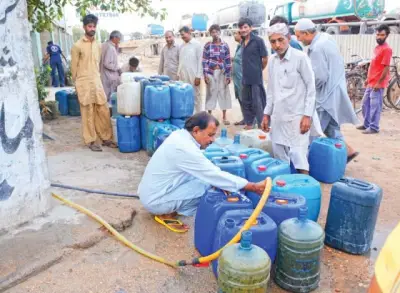
Despite the scale of investment, the tangible benefits for ordinary Pakistanis remain elusive. The CPEC Special Economic Zones have not become hubs of high productivity. The strategically vital Gwadar Port, under Chinese management, has yet to transform into a major commercial gateway. For Gwadar's residents, Chinese contributions are largely confined to small-scale projects in health, education, vocational training, and water filtration—initiatives too limited to fundamentally change the local socio-economic fabric.
In a bid to diversify, Pakistan is reportedly courting other investors. There are talks of offering the US commercial port access at Pasni in Balochistan to attract American investment in the province's critical minerals. However, newly announced policies to speed up foreign investment largely overlook crucial areas like enhancing labor rights, building local capacity, and safeguarding environmental standards.
The Critical Need for Governance and Inclusive Growth
Pakistan's chronic issue of elite capture risks directing the gains from incoming investments to a privileged few, while multinational companies secure disproportionate profits. Such top-down approaches are unlikely to deliver widespread national or regional prosperity.
The core challenge is clear: if Pakistan cannot harness foreign investment to improve citizens' lives, it is unrealistic to expect Chinese, American, or any other investors to prioritize goals beyond their own profits. Investments that foster accountability, transparency, and inclusion can reduce friction and ensure projects are better rooted in local communities. Even DoubleThink Lab's research on Pakistan stresses the importance of governance reforms, socially responsible technology use, and inclusive policy execution.
Ultimately, rethinking foreign direct investment in Pakistan must move beyond merely attracting capital to shore up the economic balance sheet. The incoming resources must be strategically leveraged to maximize benefits for Pakistani citizens. This is not just an economic imperative but the only viable path to securing sustainable, long-term growth for the nation.