Saudi Arabia’s Minister of Hajj and Umrah, Tawfiq Al-Rabiah, officially inaugurated the complete transition of the ministry’s Hajj and Umrah Data Center to a fully cloud-based infrastructure, achieving a 100 percent migration to cloud computing. The move strengthens technological readiness, enhances business continuity, and improves the efficiency of digital services for pilgrims, contributing to a smoother pilgrimage experience, according to the Saudi Press Agency.
Minister Highlights Strategic Importance
The minister stated that the achievement reflects the Kingdom’s continued support for the Pilgrims Experience Program and advances the goals of Saudi Vision 2030 by building an advanced digital ecosystem that improves services for Hajj and Umrah pilgrims. He noted that the Hajj and Umrah Data Center was established in 2002 and has served as the technological foundation of the ministry’s digital services for 24 years. Al-Rabiah said the cloud transformation marks a shift from traditional IT infrastructure to a fully integrated cloud environment aligned with the latest global technologies.
Digital Services for Millions of Pilgrims
The Hajj and Umrah Data Center serves more than 20 million Hajj and Umrah pilgrims annually. Its digital platforms include the electronic Hajj and Umrah portal, the Nusuk app, and the Nusuk Card. The center is integrated with more than 70 domestic and international entities, supports more than 51 million Nusuk users, and delivers over 500 digital services. The transformation provides a more flexible and efficient technology infrastructure, strengthening business continuity and supporting future expansion of digital services.

Preparations for Next Hajj Season Begin
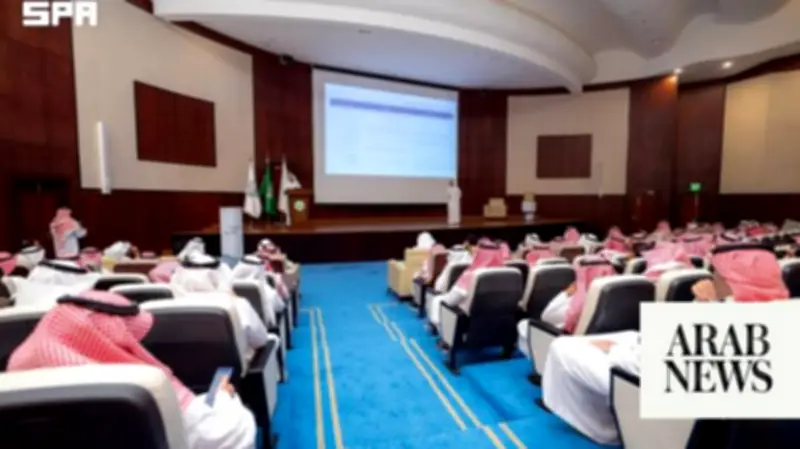
Meanwhile, the Makkah Principality Agency for Hajj and Umrah Affairs, in cooperation with the Hajj Projects Management Office of the Pilgrim Experience Program, organized a series of discussion sessions to review early preparations for the next Hajj season. The sessions were held under the directives of Makkah Gov. and Chairman of the Permanent Committee for Hajj and Umrah Prince Khalid bin Faisal, and under the supervision of Deputy Makkah Gov. Prince Saud bin Mishaal.
Representatives from 60 Entities Participate
Representatives from 60 entities involved in serving pilgrims at the holy sites took part in the three-day sessions. They reviewed the outcomes of the last Hajj season and developed proposals and recommendations to build on its achievements. The recommendations focused on enhancing operational plans, strengthening proactive efforts, improving coordination among participating entities, and promoting a shared understanding of roles and responsibilities.
Focus on Operational Readiness
The sessions also focused on achieving the highest levels of operational readiness. Participants discussed ways to address potential operational challenges proactively and deliver the highest standard of services to pilgrims. The cloud migration and early planning underscore Saudi Arabia’s commitment to leveraging technology for continuous improvement of the pilgrimage experience.