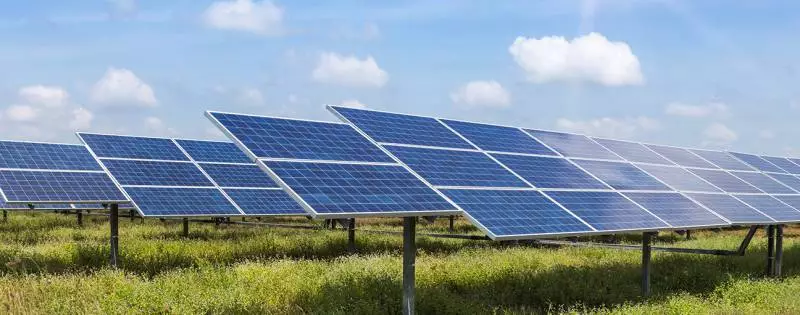
The Pakistani government has implemented a significant change to its renewable energy framework, announcing a major revision to the national net metering policy. The key alteration involves a substantial reduction in the rate at which electricity distribution companies purchase excess solar power from consumers. This policy shift, confirmed by official sources, directly impacts households and businesses that have invested in solar panel systems.
Details of the Policy Revision
The revised policy mandates a new, lower tariff for the buyback of surplus electricity generated by private solar installations. Under the previous arrangement, consumers could sell their excess power to the grid at a rate that was often close to the retail price they paid for electricity, making solar investments highly attractive. The new rate structure is designed to reflect what authorities describe as a more "realistic" cost for the national grid to absorb this decentralized power.
This decision was reportedly taken during a high-level meeting chaired by Prime Minister Shehbaz Sharif. The meeting reviewed the financial implications of the existing net metering regime on the power sector's circular debt. Officials argued that the previous high buyback rate was creating an unsustainable burden on power distribution companies (DISCOs), which were obligated to purchase expensive solar power while maintaining the grid infrastructure that solar users still rely on.

Impact on Solar Users and the Energy Sector
The immediate consequence of this policy change is a lengthened payback period for solar investments. For existing and prospective solar panel users, the financial calculations for installing rooftop systems have fundamentally changed. The reduced compensation for exported energy means the savings on electricity bills will be less dramatic, potentially slowing down the adoption rate of solar technology among residential and commercial consumers.
Proponents of the change within the government and power sector cite the need for a balanced approach. They emphasize that while promoting renewable energy is a priority, the financial health of the national grid is equally critical. The revised policy aims to ensure that all consumers, including those without solar panels, are not unfairly subsidizing the grid maintenance costs for net metering customers.
Future of Renewable Energy in Pakistan
This policy revision marks a pivotal moment for Pakistan's clean energy transition. It raises important questions about how to incentivize renewable energy adoption while maintaining a stable and financially viable national power infrastructure. The government has indicated that the new policy is part of a broader strategy to reform the energy sector, which may include other measures to manage demand and reduce the massive circular debt.
Industry stakeholders and environmental advocates have expressed concern, warning that disincentivizing distributed solar generation could hinder Pakistan's progress toward its renewable energy targets. They argue that decentralized solar power reduces transmission losses and peak load demand on the national grid, benefits that should be factored into the pricing model. The long-term effects of this decision on Pakistan's solar industry, its climate commitments, and household energy costs remain to be seen as the new buyback rates take effect.