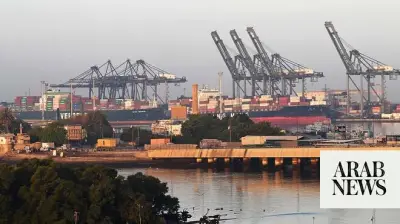
In a significant move impacting its energy import strategy, Pakistan has decided to cancel a substantial number of liquefied natural gas (LNG) shipments scheduled for the coming years. The decision reflects a strategic reassessment of the country's fuel needs amidst evolving market conditions and domestic demand patterns.
Details of the Cancellation
Official sources have confirmed that Pakistan has canceled a total of 45 LNG cargoes that were originally slated for delivery during the fiscal years 2026 and 2027. This decision was communicated to the relevant international suppliers, marking a major shift in the nation's procurement planning for the critical fuel.
The cancellations are attributed to a combination of key factors. A primary reason is the observed lower-than-anticipated demand for LNG within the country. This reduced demand is partly due to increased availability of alternative, more affordable energy sources and improvements in domestic gas management. Furthermore, the prevailing high prices of LNG in the international market have made these imports less economically viable for Pakistan, prompting a more cautious approach to long-term commitments.

Impact on the Energy Sector and Consumers
This large-scale cancellation is expected to have a direct effect on the country's energy mix and power generation landscape. With fewer LNG imports, power plants reliant on this fuel may need to adjust their operations. However, authorities indicate that the move is designed to prevent the accumulation of expensive fuel that would ultimately burden consumers with higher tariffs.
The state-owned Sui Northern Gas Pipelines Limited (SNGPL) is at the center of this decision-making process. As one of the primary entities responsible for gas distribution and procurement, SNGPL's demand forecasts and contractual adjustments are crucial in shaping Pakistan's LNG import profile. The cancellations suggest a revision of their earlier projections for natural gas consumption.
Strategic Implications and Future Outlook
Pakistan's decision to cancel 45 LNG cargoes signals a more flexible and responsive energy import policy. Instead of being locked into long-term, high-cost contracts, the country is opting for a more agile strategy that can adapt to fluctuating global prices and domestic needs. This could involve seeking more spot purchases or renegotiating terms when market conditions are favorable.
While this move alleviates immediate financial pressure, it also underscores the ongoing challenge of ensuring a stable and affordable energy supply for Pakistan's growing economy and population. The government's focus is likely to remain on diversifying energy sources, enhancing domestic production, and securing fuel deals that offer the best value to the national exchequer and the end consumer.
In conclusion, the cancellation of 45 LNG cargoes for 2026-27 is a pivotal development in Pakistan's energy sector. It highlights a pragmatic shift towards demand-based procurement and cost containment, with significant implications for the country's power generation costs and overall economic planning in the coming years.