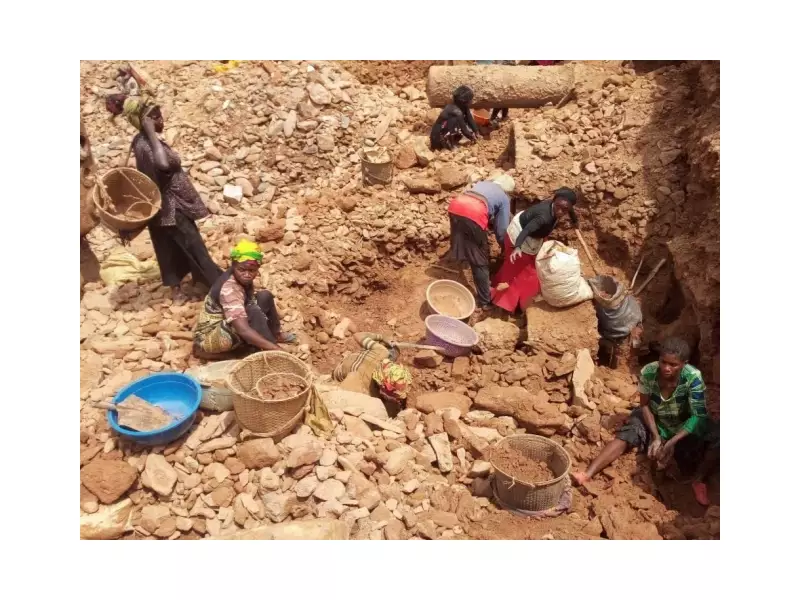
A tragic bridge collapse at an informal cobalt mine in the Democratic Republic of Congo has resulted in the deaths of at least 32 wildcat miners, a regional official confirmed on Sunday.
Details of the Kalando Mine Disaster
The catastrophic incident occurred on Saturday at the Kalando mine, located approximately 42 kilometres southeast of Kolwezi, the capital of Lualaba province. Roy Kaumba Mayonde, the provincial interior minister, informed reporters that the makeshift bridge gave way, plunging into a flooded trench within the mining site.
Authorities revealed that 32 bodies had been recovered by Sunday, with search operations continuing for more victims. Despite a formal ban on accessing the site due to heavy rain and a high risk of landslides, a large group of illegal miners forced their way into the quarry. Minister Mayonde stated that the bridge collapsed under the weight of the miners who were rushing to cross it.

Underlying Tensions and the Global Cobalt Context
A report from the government agency SAEMAPE, which monitors mining cooperatives, indicated that the presence of soldiers at the mine had sparked a panic among the workers. The report further detailed that the Kalando mine has been the center of a longstanding dispute between the wildcat miners, a local cooperative, and the site's legal operators, who are reported to have Chinese involvement.
The human cost of the disaster was starkly illustrated by images sent to AFP, which showed miners themselves digging out bodies from the trench, with at least 17 corpses laid out on the ground nearby. Arthur Kabulo, the provincial coordinator for the National Human Rights Commission (CNDH), estimated that more than 10,000 illegal miners operate at the Kalando site.
Aftermath and Industry Implications
In response to the tragedy, provincial authorities suspended all operations at the mine on Sunday. This disaster casts a renewed spotlight on the perilous conditions within the DRC's vast informal mining sector. The central African nation is the world's leading producer of cobalt, supplying more than 70 percent of the global amount essential for electric car batteries, laptops, and mobile phones.
It is estimated that over 200,000 people work in giant illegal cobalt mines across the DRC. The industry has long been shadowed by accusations of child labour, dangerous working conditions, and corruption. This event underscores the immense human risk behind the global demand for this critical mineral.