Pakistan's national railway network is grappling with a severe operational crisis, as a significant portion of its aging locomotive fleet is breaking down, causing massive delays and widespread inconvenience for passengers across the country.
The Root of the Crisis: An Antiquated Fleet
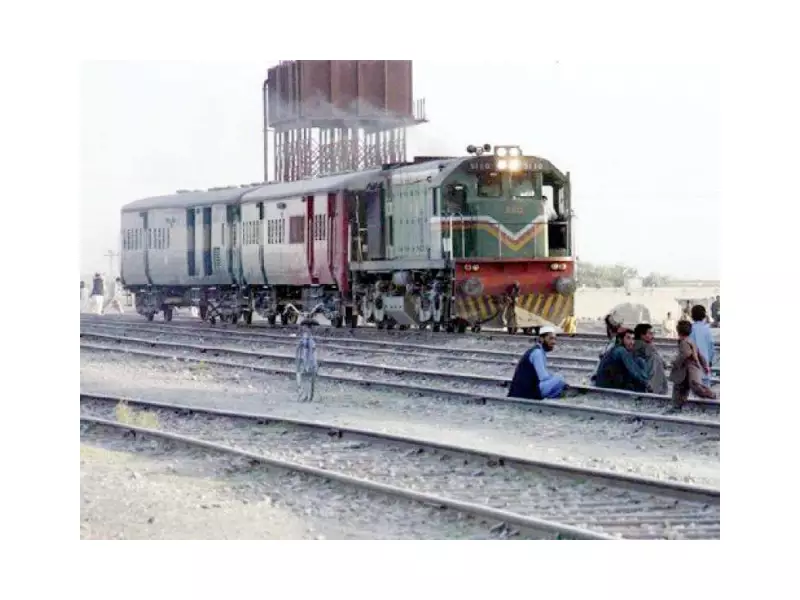
The core of the problem lies in the advanced age of the rolling stock. According to official sources, more than 50 percent of Pakistan Railways' locomotives are over 25 years old. These machines, long past their prime operational life, are increasingly prone to frequent failures and require constant, extensive maintenance. This situation has created a critical shortage of functional engines to pull passenger and freight trains on schedule.
The issue was starkly highlighted during a recent session of the National Assembly's Standing Committee on Railways, chaired by MNA Muhammad Aslam Bhootani. Officials from Pakistan Railways presented a sobering picture of the infrastructure's state, directly linking the daily delays to the unreliable locomotive fleet.

Immediate Consequences for Passengers and Operations
The mechanical failures have immediate and tangible effects on daily travel. Trains are routinely delayed by several hours, disrupting the plans of thousands of passengers. Beyond the inconvenience, these delays have a cascading effect on the entire network's schedule and efficiency.
Furthermore, the crisis is not limited to passenger trains. The freight service, a vital revenue stream for the organization, is also suffering. With fewer reliable locomotives available, the movement of goods is hampered, affecting logistics and economic activity connected to rail transport.
A Glimmer of Hope: New Engines on the Horizon
In response to the committee's urgent inquiries, railway officials outlined a plan to address the shortage. They revealed that 20 new locomotives are expected to arrive from the United States by June 2024. The arrival of these modern engines is anticipated to provide much-needed relief and improve the reliability of services.
However, the committee members expressed deep concern over the persistent nature of the problem. They emphasized that stop-gap measures are insufficient and called for a sustainable, long-term strategy to overhaul the country's railway infrastructure. The discussion underscored the need for consistent investment and modernization to prevent such crises from recurring.
The situation presents a clear challenge for Pakistan Railways: to modernize its core assets or face continued degradation of service. The arrival of the new locomotives is a positive step, but stakeholders agree that a comprehensive fleet renewal and maintenance program is essential for the future of rail travel in Pakistan.