Pakistan Railways has unveiled an ambitious plan to outsource the operation of twelve passenger trains to private companies, a move expected to generate approximately Rs15 billion in monthly revenue for the struggling national carrier. The revelation came during a Senate Standing Committee on Railways meeting held on Tuesday, where railway officials presented their comprehensive restructuring strategy.
Senate Committee Reviews Railway Restructuring Plan
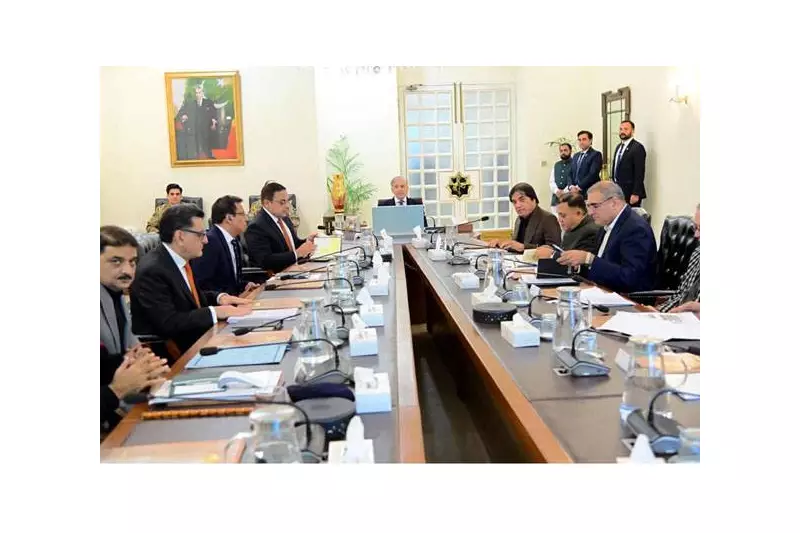
The Senate Standing Committee on Railways, chaired by Senator Dost Muhammad Khan, received detailed briefings about the outsourcing initiative and other measures aimed at revitalizing the railway system. The committee was informed that Pakistan Railways currently operates 96 passenger trains across the country, with the planned outsourcing representing a significant portion of their passenger services.
During the meeting, railway officials emphasized that this public-private partnership model would not only boost revenue but also improve service quality and operational efficiency. The estimated Rs15 billion monthly revenue target marks a substantial increase from current earnings and could significantly reduce the organization's financial deficits.

Comprehensive Railway Reform Agenda
Beyond the outsourcing initiative, the committee reviewed multiple aspects of railway operations and challenges. Serious concerns were raised about the performance of railway police in preventing theft of railway assets, particularly copper wires and other valuable materials from trains and stations.
The meeting also addressed the critical issue of staffing, with committee members questioning the rationale behind hiring new employees while simultaneously offering voluntary separation schemes to existing staff. This contradictory approach to human resource management prompted demands for clearer justification from railway authorities.
Another significant discussion point involved unauthorized occupation of railway land in Quetta, where approximately 1,200 acres remain under illegal possession despite ongoing efforts to reclaim the property. The committee directed railway officials to intensify their recovery efforts and provide regular progress updates.
Infrastructure and Service Improvements
The committee session also highlighted positive developments in railway infrastructure. Officials reported that significant progress has been made on the Main Line-1 (ML-1) project, a crucial modernization initiative that will enhance rail connectivity and operational capacity across the country.
In response to service quality concerns, the committee was informed about plans to upgrade passenger facilities and improve train punctuality. The outsourcing of twelve trains to private operators is expected to introduce competitive service standards that could benefit passengers through better amenities and more reliable schedules.
The restructuring plan represents one of the most significant transformations in Pakistan Railways in recent years. If successfully implemented, the public-private partnership model could set a precedent for other state-owned enterprises struggling with financial sustainability and operational challenges.
Committee members emphasized the need for transparent bidding processes for the outsourcing contracts and proper monitoring mechanisms to ensure that private operators maintain service standards and safety protocols. The success of this initiative could determine the future direction of railway reforms in Pakistan.