In a significant development, Pakistani authorities have successfully intercepted an attempt to import Afghan-origin fresh fruits through Iranian routes, exploiting trade mechanisms amid ongoing border closures between Pakistan and Afghanistan.
Border Closures Strand Thousands of Containers
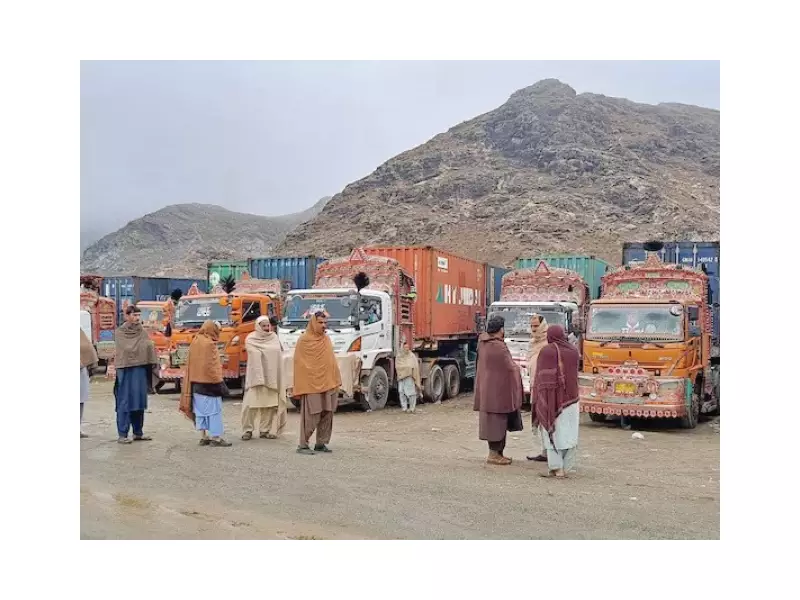
The government's decisive action comes as over 5,500 Afghan transit containers remain stranded across Pakistan due to the suspension of bilateral trade and closure of international borders following recent skirmishes. This growing backlog underscores Kabul's continued reliance on Pakistani trade corridors despite efforts to establish alternative routes.
Customs officials revealed that an importer attempted to bring approximately 23 million tonnes of fresh fruits through the Taftan border post on November 8, claiming benefits under the Early Harvest Programme notified in July this year. The importer presented comprehensive documentation including an import permit from the Department of Plant Protection, invoices, bills of lading, export goods declarations, and phytosanitary certificates confirming Afghan origin.

Customs Intervention and Regional Trade Adjustments
Pakistan Customs firmly rejected the entry application, citing that the Early Harvest Programme was designed for mutual benefit on a bilateral and reciprocal basis. With no trade currently occurring between Pakistan and Afghanistan due to closed borders, the exemption provisions did not apply to this shipment.
Officials expressed concern about potential misuse of the facility, noting that similar consignments could be imported from Iran disguised as Afghan produce, given both countries grow comparable fruits like grapes and apples covered under the trade program.
Meanwhile, demonstrating regional cooperation, Pakistan has approved special measures to protect Central Asian Republics from trade disruptions. Uzbekistan has been granted permission to airlift five urgent cargo shipments and reroute 29 containers through China under the Customs Convention on the International Transport of Goods, signed by all regional countries.
Economic Impact and Alternative Route Challenges
The border closures have created severe difficulties for Afghan exporters, particularly farmers dependent on perishable exports like fresh fruits, vegetables, and dry fruits. These commodities traditionally rely on short-distance, low-cost transport to Pakistani markets.
Analysis reveals that alternative routes through Iran prove significantly less viable due to:
- Longer distances: Kandahar and Helmand lie just 150-300 km from Pakistan's Chaman-Spin Boldak borders but 1,200-1,300 km from Iran's Zaranj or Delaram borders
- Higher costs: Transport charges increase by 30-50% through Iran's Chabahar Port or via Uzbekistan and Turkmenistan
- Infrastructure limitations: Limited cold storage facilities and longer transit times increase spoilage risks
- International sanctions: Afghanistan cannot formally trade through Iran due to United States restrictions
Current container statistics show 729 containers stranded at Chaman and 142 at Torkham, with about 4,650 containers stuck at sea and land ports after Pakistan Customs halted processing to prevent border congestion.
Despite the tensions, trade data from last fiscal year reveals Pakistan exported $1.1 billion worth of goods to Afghanistan compared to $600 million in imports, highlighting the economic interdependence between the neighboring nations.
The Pakistan Bureau of Statistics indicates limited impact on domestic inflation, with the weekly inflation index decreasing 0.6% as of November 6, 2025, following price reductions in tomatoes (38%), onions (5%), and garlic (3.3%).