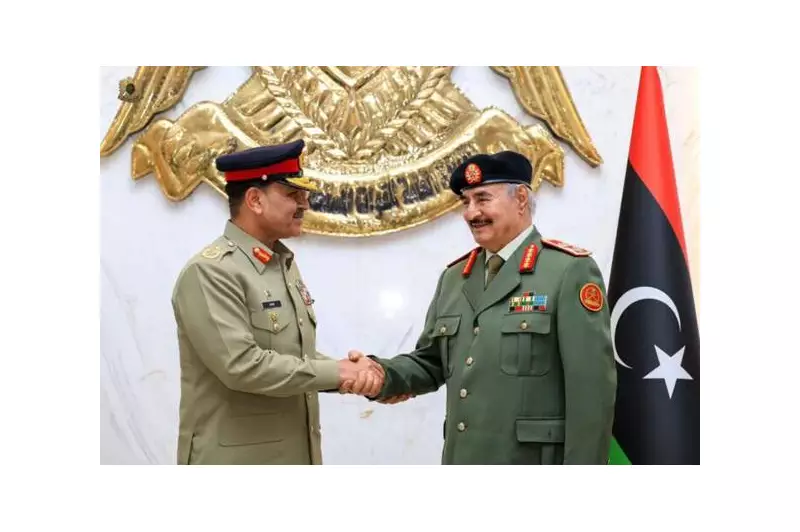
In a significant boost to its defense manufacturing sector, Pakistan has finalized a major agreement to supply conventional weapons and military hardware to Libya. Officials have described this as one of the country's largest defense export deals in recent years, valued in the billions of dollars.
A Landmark Deal for Pakistan's Defense Industry
The agreement involves the supply of Pakistan-manufactured conventional arms and related military equipment. This deal is a cornerstone of the government's broader strategic push to significantly expand the nation's export portfolio and reduce its traditional reliance on external financing. The move directly leverages Pakistan's expanded domestic industrial capacity, which has seen considerable growth across several sectors including defense production, large-scale manufacturing, information technology, artificial intelligence, and mining.
This export milestone follows recent showcases of locally produced defense systems, such as those displayed during the Mark e Haq military exercises. Officials noted that these domestic capabilities attracted considerable attention from visiting international delegations, paving the way for such foreign contracts.

Scale and Context of the Libya Agreement
While Pakistan has a history of supplying conventional arms to various countries, officials emphasize that the Libya agreement stands out due to its unprecedented scale and expected financial impact. The deal is poised to establish Pakistan more firmly as a regular supplier of conventional military equipment in the global market.
The agreement comes against a complex backdrop. Libya remains officially under a United Nations arms embargo, although reports from UN panels have documented consistent violations over the past decade. Several Western and Middle Eastern states have been accused of supplying arms to rival Libyan factions despite these restrictions. Pakistani government sources, acknowledging this context, pointed out that enforcement of the embargo has been inconsistent for years, with arms transfers continuing through multiple channels.
Strategic Implications and Future Outlook
No specific details have been released regarding the exact types of weapons involved or the delivery timeline for the Libya deal. However, the agreement underscores a clear strategic shift. It reflects a concerted effort by Pakistan to capitalize on its defense industrial base to generate substantial export revenue and carve out a niche in the international defense market.
This deal is more than a simple transaction; it is a statement of intent. By securing such a substantial contract, Pakistan aims to demonstrate the reliability and quality of its defense manufacturing, potentially opening doors for further agreements with other nations. The focus on boosting defense exports aligns with the national goal of achieving greater economic self-sufficiency and strengthening the country's foreign exchange reserves through high-value industrial exports.