Pakistan's transport sector is bracing for a major disruption as key associations have thrown their weight behind a proposed nationwide strike scheduled for mid-July. The collective action is a direct response to the relentless surge in diesel prices, which transporters say is crippling their businesses and threatening the supply chain.
Unified Front Against Soaring Fuel Costs
The call for a strike, initially proposed by the Goods Transport Association, has gained rapid and widespread support. Major bodies including the All Pakistan Transporters Association (APTA) and the Inter-Provincial Transport Alliance have confirmed their participation. This unified stance signals deep-seated frustration across the industry.
At the heart of the protest is the unsustainable cost of diesel, the lifeblood of the country's freight and passenger transport. Transporters argue that the government's recent policies have led to a sharp increase in their operational expenses, squeezing profit margins to a breaking point. They are demanding immediate and concrete steps from the authorities to provide relief and stabilize the situation.

The Strike Plan and Economic Implications
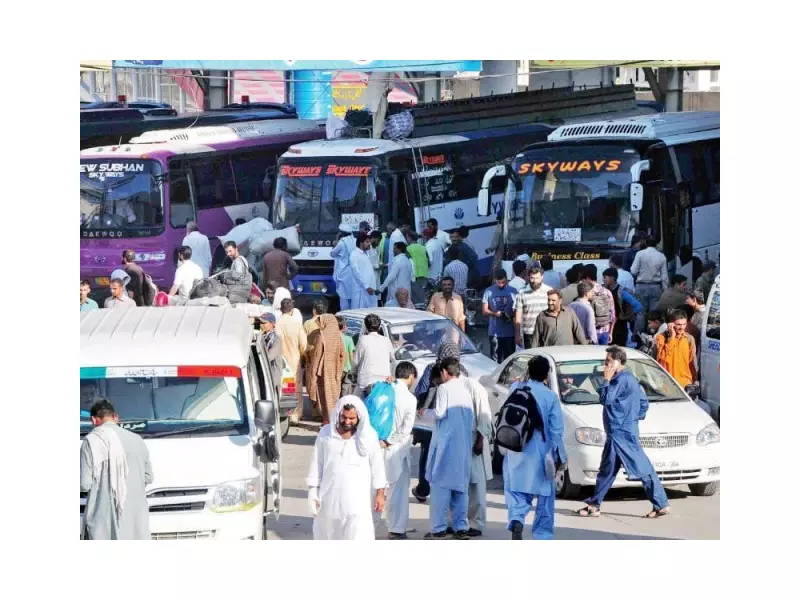
The planned strike is set for July 15 and 16. During this period, transporters intend to halt all operations, which is expected to bring the movement of goods and passengers to a near standstill across provinces. This action is anticipated to cause significant ripple effects, potentially leading to shortages of essential commodities and disrupting business activities nationwide.
Industry leaders have made it clear that this is not a decision taken lightly. Ghulam Yaseen Khan, a prominent figure within the transporters' community, emphasized that the strike is a last resort after repeated appeals to the government fell on deaf ears. The central demand is a reduction in diesel prices to a manageable level, alongside a review of other associated taxes and levies that contribute to the high cost of operations.
A Final Warning to the Government
The transporters have framed the upcoming strike as a final warning. They state that if their legitimate demands are not addressed promptly by the concerned ministries, they will be forced to escalate their protest. This could mean longer and more frequent strikes, further paralyzing the national economy.
The ball is now in the government's court. With a firm date set and alliances solidified, the transport sector has demonstrated its collective power. The coming days will be crucial in determining whether a negotiated solution can be reached to avert a costly nationwide shutdown that would affect millions of citizens and businesses.