In the annals of human history, few structures capture the imagination like the legendary Seven Wonders of the Ancient World. Among these marvels stood the magnificent Mausoleum at Halicarnassus, a tomb of such scale and artistry that its very name became synonymous with grand burial monuments. Built in the 4th century BC, this wonder continues to whisper tales of power, artistry, and the timeless human desire to be remembered.
The Grand Vision of a Carian Ruler
The story of this iconic structure begins with Mausolus, a ruler of Caria, a region within the Achaemenid Empire. Upon his death around 353 BC, his wife and sister Artemisia II commissioned a tomb of unprecedented grandeur. The site chosen was Halicarnassus, the capital city located in what is now modern-day Bodrum, Turkey. This was not merely a grave; it was a statement in marble and stone, designed to project the ruler's glory for eternity.
Architectural and Artistic Magnificence
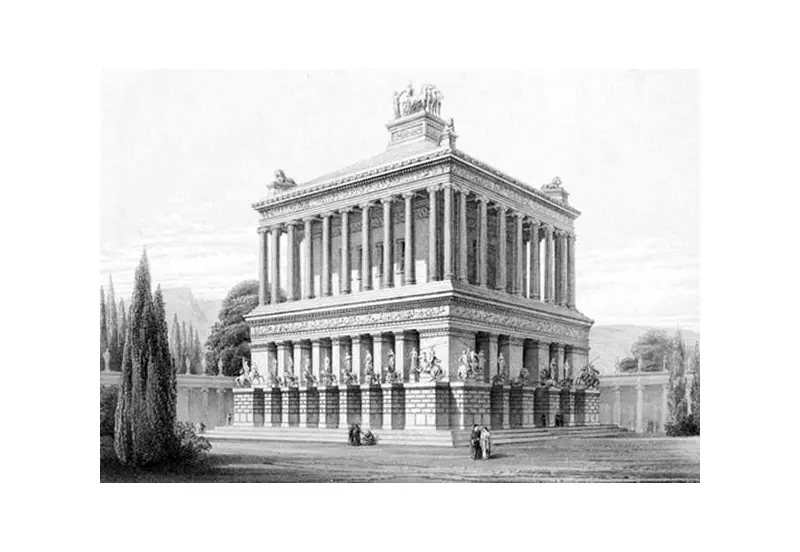
The Mausoleum was a feat of ancient engineering and art. It combined Greek, Lycian, and Egyptian architectural styles into a unique and harmonious whole. The structure rose high, featuring a stepped podium, a colonnade of Ionic columns, and a pyramidal roof crowned by a magnificent statue of a chariot.

Its fame rested heavily on its breathtaking sculptural adornments. Renowned Greek sculptors were hired to create an extensive series of intricate sculptural reliefs and freestanding statues. These depicted scenes from mythology, battles, and hunts, showcasing a level of craftsmanship that was unparalleled for its time. The entire monument served as a testament to the skill of ancient artisans and the vast resources devoted to commemorating a single life.
A Legacy That Outlived the Stone
Although the original Mausoleum at Halicarnassus no longer stands intact—succumbing to a series of earthquakes over the centuries—its influence proved immortal. The very word 'mausoleum' entered languages worldwide, derived from King Mausolus's name, to describe any large and imposing tomb.
Its architectural DNA can be traced in countless subsequent mausoleums and tombs built across empires and eras. From the grand tombs of Roman emperors to later Islamic and modern memorials, the basic concept of a monumental, standalone funerary structure owes a debt to the pioneering design at Halicarnassus. It set a benchmark for how societies honor their elite through architecture.
Conclusion: An Enduring Testament
The Mausoleum at Halicarnassus stands as a powerful symbol in history. It reminds us that the drive to create a lasting legacy through monumental architecture is a profound part of the human story. More than just rubble and historical footnote, it represents the pinnacle of ancient artistic ambition. Its physical form may have faded, but its conceptual shadow stretches long across the landscape of global heritage, forever enshrined as one of the Seven Wonders of the Ancient World.