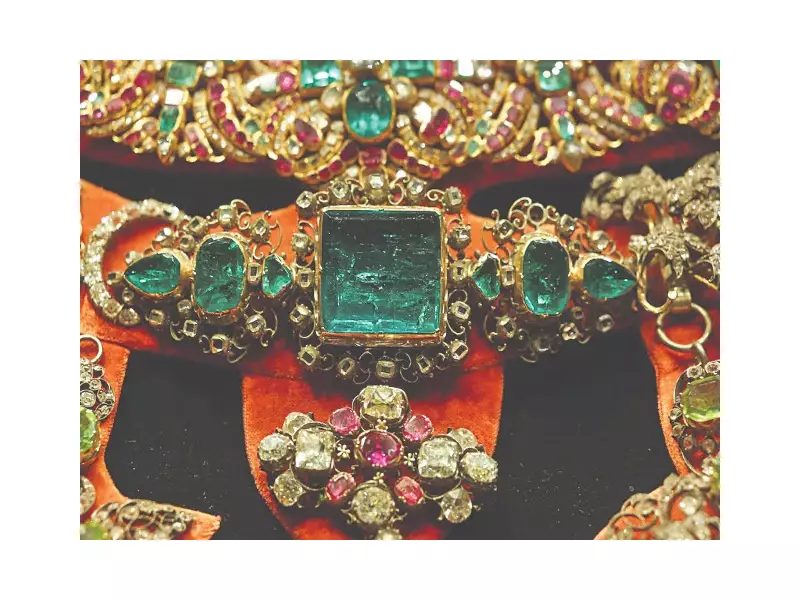
In a stunning development that has sent shockwaves through the art world, European museums are undertaking a comprehensive review of their security protocols following a brazen theft at the iconic Louvre Museum in Paris. The incident has exposed critical vulnerabilities in what many considered impenetrable security systems protecting priceless cultural artifacts.
The Wake-Up Call That Shook the Art World
The recent heist at one of the world's most visited museums has forced cultural institutions across Europe to confront uncomfortable truths about their ability to protect treasured artworks. Security experts and museum directors are now engaged in urgent discussions about upgrading protection measures that have remained largely unchanged for decades.
"This wasn't just a theft—it was a fundamental breach of trust," revealed a senior European museum official who spoke on condition of anonymity. "When an institution of the Louvre's stature can be compromised, it forces every museum to ask: Are we next?"

What Went Wrong at the Louvre?
While specific details of the security lapse remain under investigation, preliminary reports suggest the thieves exploited both technological and human vulnerabilities in the museum's protection system. The incident occurred despite the Louvre's reputation for having one of the most sophisticated security operations in the art world.
The Changing Face of Art Crime
Art security experts note that criminal tactics have evolved significantly in recent years, while many museum security protocols have failed to keep pace. Today's art thieves employ:
- Advanced technological countermeasures
- Sophisticated distraction techniques
- Insider knowledge of security systems
- International networks for quick artifact disposal
Europe's Coordinated Response
In the aftermath of the Louvre incident, European cultural authorities are moving beyond isolated security upgrades to implement a continent-wide strategy. Key elements include:
- Enhanced surveillance technology incorporating artificial intelligence and behavioral analysis
- Improved staff training protocols focusing on threat recognition and response
- International information sharing between museum security teams
- Regular security audits conducted by independent experts
The Human Element in Art Protection
Beyond technological solutions, museum directors are recognizing the critical importance of human vigilance. "The most advanced security system can be defeated by a single moment of human error," noted Dr. Isabelle Moreau, an art security consultant working with multiple European institutions. "We're seeing a renewed emphasis on continuous staff training and creating a culture of security awareness at every level of museum operations."
What This Means for Museum Visitors
While enhanced security measures may mean slight changes to the visitor experience—including potentially longer entry procedures and additional screening—cultural authorities emphasize that public access remains a priority. The challenge lies in balancing robust protection with maintaining the welcoming atmosphere that makes museums accessible to all.
The ultimate goal, as one European cultural minister put it, "is to ensure that our shared cultural heritage remains both secure and available for generations to come. The Louvre incident, while alarming, has provided the impetus for necessary changes that will ultimately benefit everyone who values our artistic legacy."
As European museums implement these sweeping security reforms, the art world watches closely, hoping that from this security breach emerges a stronger, more resilient system for protecting humanity's priceless cultural treasures.