The Ancient Sound of Sindh Returns
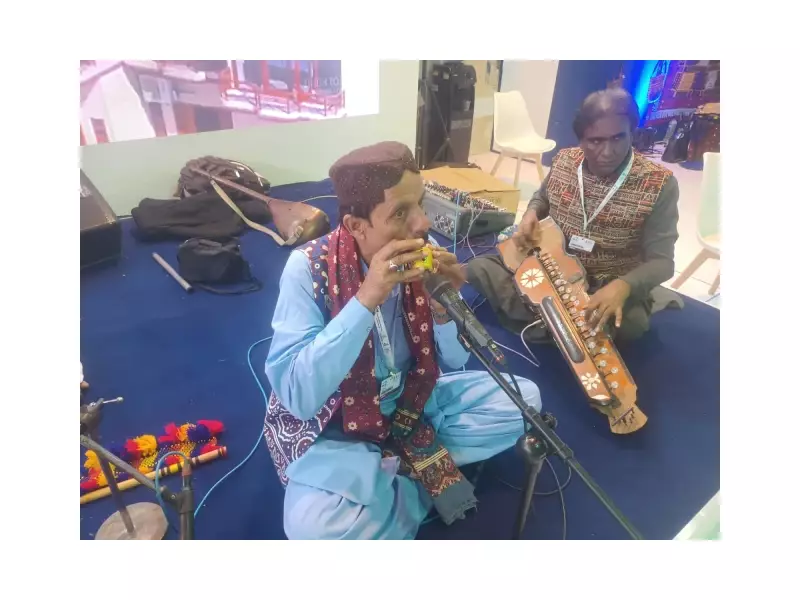
In a remarkable cultural revival, Sindhi artist Faqeer Zulfiqar has successfully resurrected the Bhoreendo, a 5,000-year-old clay instrument that originated from the ancient civilization of Mohenjo-daro. This extraordinary musical artifact, which produces enchanting flute-like melodies, represents one of the oldest known musical traditions in human history.
Rediscovering an Ancient Musical Marvel
Unlike conventional wind instruments, the Bhoreendo features a unique circular shape resembling a small, rounded piggy bank rather than an elongated tube. The instrument demands exceptional skill as musicians must engage all eight fingers simultaneously on its eight small holes to create mesmerizing, hypnotic tones that naturally compel listeners to nod along with its rhythmic patterns.
The revival effort involves both artistic and technical innovation. Zulfiqar has introduced modern modifications to enhance the traditional design while preserving its authentic character. Perhaps most remarkably, the primary potter crafting these instruments, Allah Jariyo, continues his work with undiminished passion despite having lost much of his eyesight.

From Ancient Three Notes to Modern Seven Tones
The transformation of the Bhoreendo represents both preservation and evolution. Ancient versions could produce only three notes, but through careful modification, today's instruments can generate seven distinct tones, making them more versatile and accessible to contemporary musicians and new generations.
After shaping, each Bhoreendo undergoes an artistic transformation, being decorated with colorful designs and intricate engravings that elevate it from mere musical instrument to visually captivating work of art. This combination of auditory and visual appeal makes the Bhoreendo a complete cultural artifact.
Connecting Generations Through Musical Heritage
Faqeer Zulfiqar comes from a family with deep roots in preserving this ancient musical tradition. His family represents the third generation of Bhoreendo players, beginning with his father, Meer Muhammad. In his interview with Express News, Zulfiqar emphasized the instrument's cultural significance, stating: "The Bhoreendo is not just an instrument—it is the identity of Sindh's ancient culture."
He poignantly described how "though it remained silent for centuries, the bond between past and present was restored when this clay instrument found its way back into human hands."
The instrument's connection to Mohenjo-daro is well-documented. Researchers have found depictions of similar instruments in clay figurines excavated from the ancient site, confirming that such instruments were used for musical expression 5,000 years ago during moments of joy and celebration.
Institutional Support and Future Prospects
The Sindh government has recognized the importance of preserving this cultural treasure. According to Adil Ahmed, Deputy Director of the Sindh Department of Culture and Tourism, the Sindh Institute of Music and Performing Arts is developing a program to teach children how to play the Bhoreendo.
Furthermore, significant efforts are underway to include the Bhoreendo in UNESCO's Intangible Cultural Heritage List, which would provide international recognition and protection for this ancient musical tradition. This listing typically covers traditional rituals, oral traditions, performing arts, and cultural expressions that require preservation through time-honored methods.
The story of the Bhoreendo's revival serves as a powerful testament to cultural resilience and the enduring human connection to artistic expression across millennia. As this ancient instrument finds new life in modern times, it continues to enchant audiences just as it did five thousand years ago in the courtyards of Mohenjo-daro.