The city of Larkana in Sindh recently observed a significant religious ceremony marking the arrival of Hazrat Imam Ali (A.S.). The event was held with solemnity and reverence at the Doctors Trauma Center, bringing together members of the community to commemorate this important occasion.
Ceremony Details and Community Participation
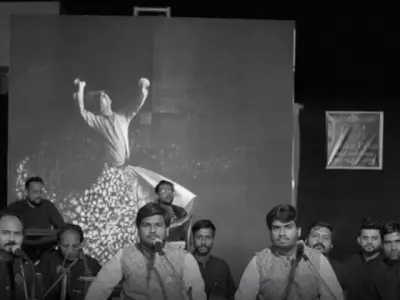
The ceremony was organized to honor the arrival of Hazrat Imam Ali (A.S.), a figure held in the highest esteem in Islamic history. The choice of venue, the Doctors Trauma Center in Larkana, served as a focal point for the gathering. Attendees participated in prayers, recited religious verses, and listened to speeches that highlighted the life, teachings, and virtues of Hazrat Imam Ali (A.S.).
The event underscored the deep-rooted religious traditions within the community. Organizers and participants emphasized the values of justice, knowledge, and courage, which are central to the legacy of Hazrat Imam Ali (A.S.). The ceremony provided a moment for collective reflection and spiritual renewal for those in attendance.

Significance of the Venue and Local Impact
Holding the ceremony at the Doctors Trauma Center in Larkana added a unique dimension to the observance. It represented a blending of community space with religious observance, demonstrating how public institutions can serve the spiritual needs of the people. The event fostered a sense of unity and shared purpose among the residents of Larkana.
Such gatherings are vital for preserving cultural and religious heritage. They reinforce social bonds and provide an opportunity for educating younger generations about their history and values. The ceremony's peaceful and respectful conduct highlighted the community's commitment to observing its traditions with dignity.
Reflections on Tradition and Modernity
The observation of Hazrat Imam Ali's arrival in Larkana is a testament to the enduring nature of religious devotion in Pakistan. It shows how traditional commemorations continue to hold profound meaning in contemporary society. Events like these contribute to the rich tapestry of local culture in Sindh and across the country.
In conclusion, the ceremony at the Doctors Trauma Center was more than just a ritual; it was a reaffirmation of faith and community. It successfully brought people together to honor a pivotal figure in Islam, promoting messages of peace, wisdom, and resilience that remain relevant today.