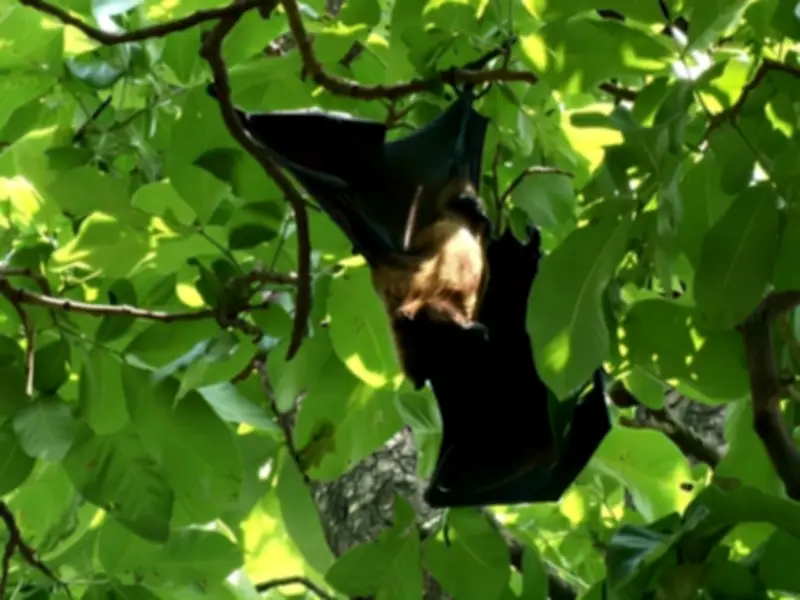
LAHORE: The historic Bagh-e-Jinnah remains one of the largest bat roosting sites in Lahore, with hundreds of bats still visible hanging from old trees during the day before departing at dusk to forage. However, experts warn that their numbers have been steadily declining over the years due to urbanisation, shrinking green spaces, artificial lighting, and widespread public misconceptions.
Urban Expansion and Habitat Loss
Wildlife expert Shahzaib Khurshid identified rapid urban expansion as the primary driver of the bat population decrease. He explained that the construction of roads, housing schemes, and commercial projects has resulted in the loss of mature trees and natural habitats that bats rely on for shelter. "Bats prefer old and dense trees in relatively undisturbed environments. As cities continue to expand, suitable habitats for these animals are becoming increasingly scarce," he said.
Misconceptions and Fear
Experts believe that misconceptions about bats are also contributing to their decline. While some citizens view bats as an important part of nature, others associate them with superstition and fear. At Bagh-e-Jinnah, visitors expressed varied opinions. A local resident stated that every living being has a purpose in nature and urged people to understand their role instead of fearing them. Joham echoed this sentiment, asserting that nothing in nature is created without purpose and that bats deserve protection for maintaining ecological balance. Muhammad Munir emphasised that many beliefs about bats are based on myths rather than facts, highlighting the need for awareness and scientific education.

Conversely, some residents admitted to holding negative perceptions. Rehana Ahmed said she grew up hearing that bats are a bad omen and feels uncomfortable around them. Bushra Khalid noted that many people believe bats suck blood, which fuels fear. Imtiaz Hussain mentioned that bats' unusual appearance and sudden flight patterns often evoke fear and disgust.
Ecological Importance and Expert Views
Wildlife experts stress that such perceptions lack scientific basis. Most bat species in Pakistan are harmless to humans and play a vital role in maintaining ecological balance. Senior Veterinary Officer Dr Muhammad Azhar described bats as essential components of healthy ecosystems, noting that insect-eating bats help control mosquito and pest populations naturally, reducing the need for chemical interventions. "The presence of bats is often an indicator of a healthy environment. Public awareness is necessary to dispel myths and encourage coexistence with wildlife," he said.
Bats provide valuable ecological services by consuming large numbers of insects, including mosquitoes, moths, and agricultural pests. Some species also contribute to pollination and seed dispersal, supporting plant diversity and forest regeneration. Punjab University Zoology Department Head Dr Zulfiqar Ali added that several species of birds, insects, and other urban wildlife have declined significantly or disappeared from parts of Lahore over the past few decades.