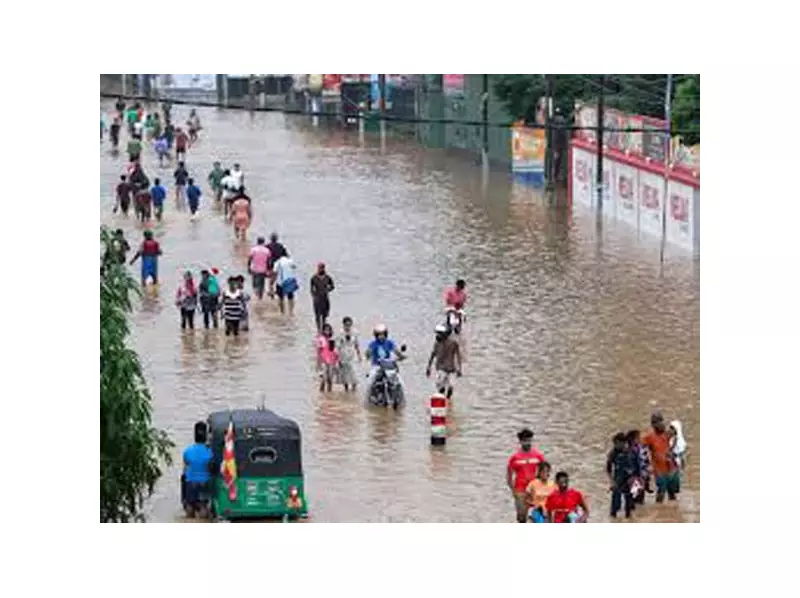
Colombo, Sri Lanka - Catastrophic flooding and landslides have claimed at least 40 lives across Sri Lanka, triggering massive emergency response operations as rescue teams battle treacherous conditions to reach affected communities.
Widespread Destruction and Rescue Efforts
The disaster unfolded as torrential rains battered multiple regions, causing rivers to overflow and triggering deadly mudslides that buried homes and infrastructure. Emergency services are working around the clock to evacuate stranded residents from submerged areas, with military personnel joining the massive relief operation.
According to disaster management officials, the death toll has reached 40 confirmed fatalities, with many more injured and missing. The hardest-hit areas include several districts where entire villages have been cut off from assistance due to washed-out roads and collapsed bridges.

Infrastructure Damage and Displacement Crisis
The relentless rainfall has caused unprecedented damage to critical infrastructure, including:
- Complete destruction of road networks in multiple provinces
- Collapse of power lines leaving thousands without electricity
- Contamination of water supplies raising health concerns
- Damage to agricultural lands threatening food security
Thousands of families have been displaced from their homes, seeking temporary shelter in schools and community centers converted into emergency relief camps. The government has established multiple evacuation centers to accommodate the growing number of affected citizens.
International Response and Weather Outlook
Neighboring countries and international aid organizations have begun mobilizing support for Sri Lanka's disaster response. Meteorological departments continue to issue severe weather warnings, predicting more rainfall in the coming days that could hamper rescue operations and exacerbate the flooding situation.
Medical teams are on high alert for potential outbreaks of waterborne diseases as floodwaters recede, while relief organizations are distributing essential supplies including food, clean water, and medical kits to affected populations.
The Sri Lankan government has declared a state of emergency in the worst-affected regions and appealed for international assistance to deal with what officials are calling one of the worst natural disasters to hit the country in recent years.