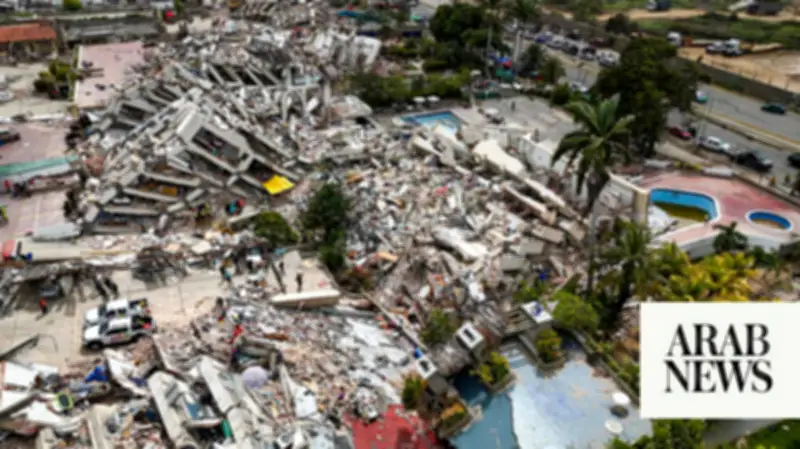
The death toll from Venezuela's twin earthquakes has risen to 2,595, Interim President Delcy Rodriguez said on Thursday, as rescue efforts increasingly shifted from finding survivors to recovering bodies from the rubble. Rodriguez told a press conference there were no plans for mass graves despite thousands of people still reported missing following the June 24 disaster. She said 189 buildings had completely collapsed in the earthquakes, which devastated large parts of the coastal state of La Guaira and left more than 11,000 people injured.
International Aid and Reconstruction
Rodriguez said the International Monetary Fund and the World Bank had offered aid and credit to support Venezuela's recovery efforts. She added that Venezuela was establishing a $200 million reconstruction fund with the IMF, with the money earmarked for contractors rebuilding homes destroyed by the earthquakes. The interim president also said revenue from Venezuela's oil production, which is under US Treasury control following the ouster of former President Nicolas Maduro, would be made available for reconstruction and humanitarian assistance. The United States has committed more than $300 million and deployed around 900 military personnel to support rescue and relief operations. US chargé d'affaires John M. Barrett said the funds would be directed toward shelter, sanitation, health services and energy generation.
Rescue Efforts Turn to Recovery
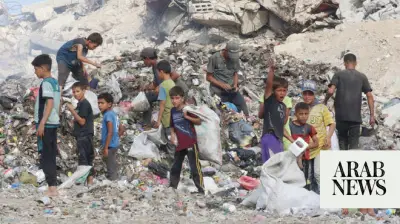
In the hardest-hit areas of La Guaira, hopes of finding more survivors were fading nearly eight days after the twin quakes struck. The port city of Catia La Mar was filled with officials carrying body bags and stacking caskets, while international rescue teams searched collapsed buildings in response to reports of possible survivors. A rare moment of hope came with the rescue of 43-year-old security guard Hernán Alberto Gil Flores, who was pulled alive from the rubble after nearly eight days trapped beneath a collapsed shopping mall. Rescuers said he survived in an air pocket and managed to stay alive on food and water passed to him through crevices in the debris. However, elsewhere the grim task of recovering bodies continued as the stench of decomposing corpses hung over flattened neighbourhoods. Health officials have also warned that overcrowded shelters and untreated injuries could trigger outbreaks of infectious diseases in a healthcare system already under severe strain.

Government Response Under Scrutiny
Rodriguez strongly rejected criticism that her government had responded slowly and left residents to conduct rescue efforts on their own during the first days after the disaster. "We did not wait one day, two days or three days. We activated immediately," she told foreign journalists. She acknowledged that survivors, relatives and neighbours were the first to reach many collapsed buildings but denounced what she called attempts to "politicize a humanitarian tragedy." Questions also remained over the future of Rodriguez's leadership, with her 180-day mandate as acting president due to expire on Friday. Rodriguez became interim leader after Maduro was removed from office by the United States in January. Under Venezuela's constitution, the National Assembly could extend interim arrangements or call a snap election if the presidency is declared permanently vacant.
Tragedy Among Deportees
The disaster also claimed the lives of dozens of Venezuelans who had just been deported from the United States. Daniel Alejandro Núñez Ramírez, 28, was among more than 100 Venezuelans who landed in the country hours before the earthquakes struck. According to his family, the deportees were taken to a hotel in La Guaira being used as a holding facility. Most of the 146 deportees housed there were buried when the building collapsed. "My son was not a criminal," his mother, Oswadeliz Nuñez, said after collecting his ashes. "I don't want this death to go unpunished." The US Department of Homeland Security said responsibility for the deportees passed to Venezuelan authorities after the flight landed.

Transparency Concerns
While Washington has praised the Venezuelan government's cooperation during the disaster response, human rights groups have called for transparency in the use of reconstruction funds. Laura Cristina Dib, Venezuela programme director at the Washington Office on Latin America, said oversight was crucial to ensure aid reached those affected by the disaster. "There are a lot of transparency questions that linger on the use of that fund in a moment in which Venezuelans really need that money to be used for the protection of Venezuelans," she said. As rescue crews continue their search amid the ruins of La Guaira, thousands of families remain displaced and the full human toll of Venezuela's deadliest natural disaster in decades has yet to be determined.