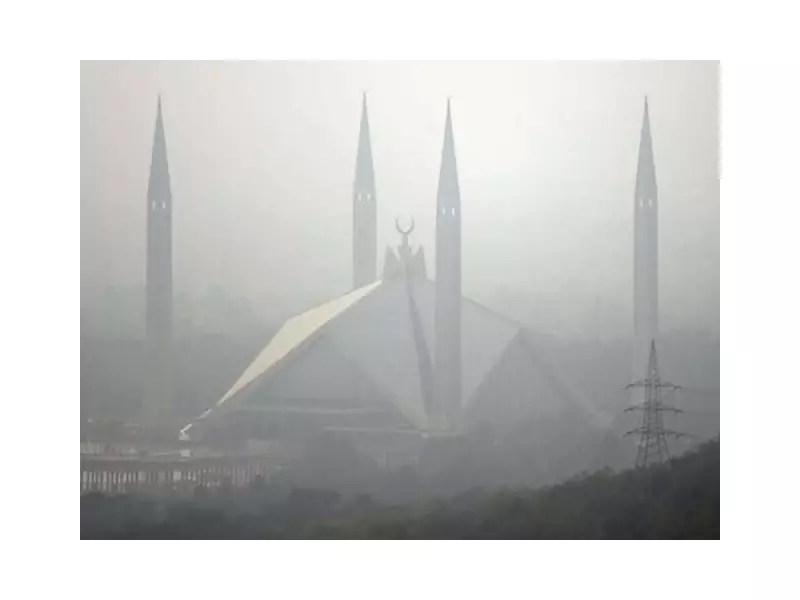
Health authorities in Rawalpindi have initiated a strategic shift in their public health response, moving from dengue fever control to addressing the growing smog crisis that has enveloped the city. This transition comes as air quality levels reach dangerous thresholds, posing significant health risks to residents.
From Mosquitoes to Particulate Matter
The Rawalpindi District Health Authority has redirected its resources and personnel who were previously engaged in dengue surveillance and control activities. Commissioner Rawalpindi Division, Liaquat Ali Chatta, confirmed that all relevant departments have received instructions to prioritize smog mitigation efforts following the decline in dengue cases.
District Health Officer Dr. Ehsan Ghani reported that dengue cases have significantly decreased, with only 15-20 suspected cases currently reported daily across both public and private healthcare facilities. This substantial reduction from peak infection periods has enabled health authorities to reallocate their attention to the emerging smog threat.

Smog Control Measures Implemented
The district administration has activated a multi-pronged approach to combat the smog emergency. Key measures include intensified monitoring of industrial emissions, with a particular focus on brick kilns operating in the vicinity. Environmental protection teams have been deployed to ensure compliance with air quality standards.
Dr. Ghani emphasized the serious health implications of the current smog conditions, noting that air pollution levels have exceeded safe limits. The health department has issued advisories recommending that citizens, especially children, elderly individuals, and those with respiratory conditions, limit outdoor activities during peak smog hours.
Medical facilities across Rawalpindi have been placed on alert to handle potential increases in respiratory illnesses, including asthma, bronchitis, and other pollution-related health complications. Hospitals have been instructed to maintain adequate stocks of medications and equipment necessary for treating smog-induced health issues.
Public Health Recommendations
Health authorities have released comprehensive guidelines for public protection. These include wearing face masks when outdoors, using air purifiers in indoor spaces, and avoiding strenuous outdoor exercises during periods of high pollution. The department particularly emphasized the vulnerability of motorcyclists and pedestrians who face prolonged exposure to polluted air.
The district administration has also launched public awareness campaigns through various media channels, educating residents about protective measures and symptoms of smog-related health problems. Schools have received specific guidelines for protecting children's health during school hours and outdoor activities.
While the immediate focus has shifted to smog control, health officials assure that dengue surveillance continues, though at a reduced intensity. The system remains capable of detecting and responding to any sudden increase in dengue cases while maintaining the new priority on air quality management.
The situation remains under continuous monitoring, with daily air quality assessments guiding further interventions. Authorities have committed to updating protective measures as conditions evolve, balancing between immediate smog response and maintaining preparedness for other public health threats.