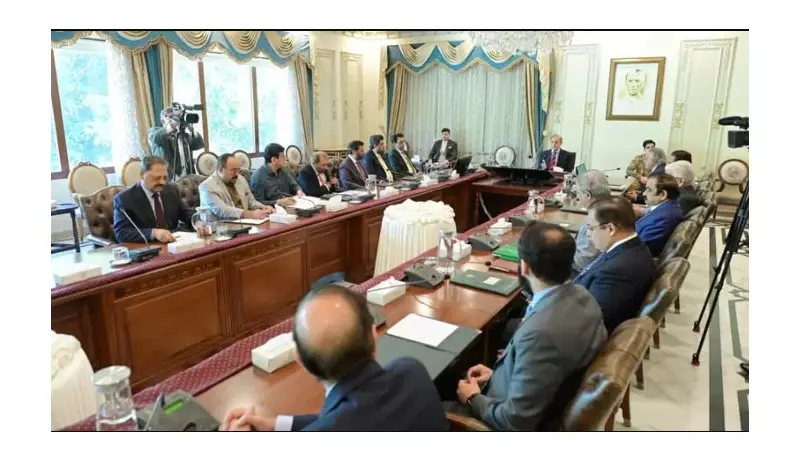
In a dramatic turn of events that has sent shockwaves through Pakistan's political landscape, the much-anticipated federal cabinet meeting concluded with significant setbacks as the Pakistan Peoples Party (PPP) mounted strong opposition to key constitutional amendment proposals, forcing an abrupt postponement of critical reforms.
Cabinet Meeting Descends into Political Confrontation
The high-stakes session, which was expected to pave the way for the landmark 27th Constitutional Amendment, instead transformed into a heated political battleground. Insider sources reveal that the atmosphere grew increasingly tense as PPP representatives systematically dismantled the government's proposed reforms package.
PPP's Firm Stand Against Government Proposals
The Pakistan Peoples Party, demonstrating unwavering political resolve, categorically rejected several cornerstone proposals that formed the backbone of the constitutional amendment. Party representatives articulated deep concerns about the potential implications of these reforms, arguing they could disrupt the delicate balance of power between federal and provincial authorities.

Multiple reliable sources confirmed that the PPP's resistance was particularly focused on provisions that would have significantly altered the distribution of powers and resources. The party's leadership maintained that certain proposals threatened to undermine provincial autonomy and contravened the spirit of cooperative federalism.
Immediate Consequences and Political Fallout
The immediate aftermath of the meeting saw:
- Complete postponement of the 27th Constitutional Amendment process
- Emergency consultations among government allies to strategize next steps
- Growing concerns about the timeline for crucial governance reforms
- Potential strain in coalition dynamics and inter-party relations
Broader Implications for Pakistan's Political Future
This development represents more than just a temporary legislative hurdle; it signals deepening political divisions that could have far-reaching consequences for Pakistan's democratic processes. The failure to reach consensus on constitutional matters of this magnitude raises serious questions about the government's ability to implement its reform agenda.
Political analysts are closely watching how this impasse will affect upcoming legislative sessions and whether it will trigger broader realignments within the political spectrum. The situation is particularly critical given the pressing need for constitutional clarity on several governance issues.
What Comes Next?
With the amendment process now in limbo, all eyes are on backchannel negotiations that are reportedly underway. Both government and opposition sources indicate that emergency meetings have been convened to explore potential compromise solutions, though neither side appears willing to make significant concessions at this stage.
The postponement has created uncertainty around several key governance initiatives that were contingent on the constitutional amendments, potentially affecting everything from economic policy implementation to inter-provincial coordination mechanisms.