China Rejects US Allegations Over Seized Vessel in Gulf of Oman
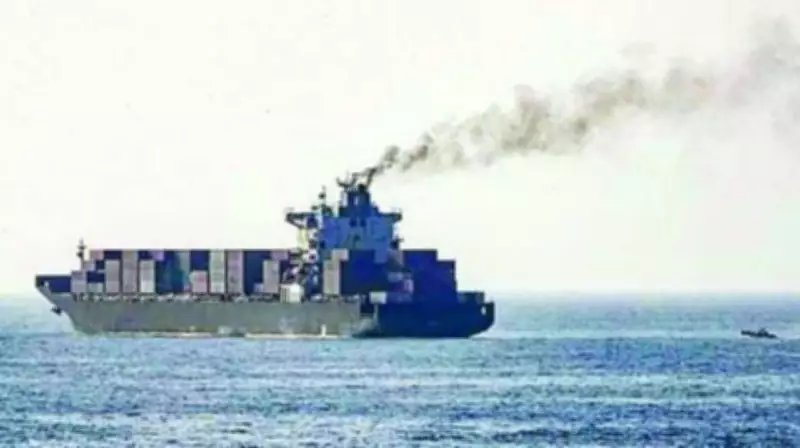
In a firm statement issued on Tuesday, China's Foreign Ministry spokesperson, Guo Jiakun, categorically denied what it termed as 'false association' and 'speculation' by the United States regarding a vessel seized in the Gulf of Oman on April 19. The Chinese foreign office emphasized that the ship in question is a foreign container ship, distancing itself from any alleged connections to missile-related activities.
Background of the Incident
The controversy stems from a post on X by former US ambassador to the UN, Nikki Haley, who claimed that an Iranian-flagged ship intercepted by US forces had originated from China and was transporting chemicals for missiles. This assertion prompted a swift response from Beijing, which reiterated its stance against unfounded allegations in international maritime affairs.
According to the US Central Command (CENTCOM), the interdiction occurred on Sunday when US Navy forces enforced a maritime blockade against the Iranian-flagged cargo vessel, alleging it was attempting to sail toward an Iranian port. Multiple warnings were issued before the vessel was fired upon, leading to its seizure.

Iran's Strong Condemnation
Simultaneously, Iran's foreign ministry condemned the confiscation of the cargo ship Touska, labeling the act as 'maritime banditry' and a 'terrorist act.' In a statement, Iran demanded the immediate release of the vessel, its sailors, crew, and their families, accusing US forces of intimidation tactics during the operation.
The incident is part of a broader pattern of naval confrontations, as US forces also boarded the stateless crude oil tanker M/T Tifani in the Indo-Pacific Command area. This vessel, previously sanctioned for facilitating Iranian oil transfers, was intercepted without incident, according to the Pentagon. Open-source trackers indicated the Tifani had loaded oil from Iran's Kharg Island and was en route to the Riau Archipelago near Singapore, with an ultimate destination in mainland China.
Escalating Maritime Tensions
The seizure of the Touska involved the guided-missile destroyer USS Spruance, which fired missiles to disable the ship's propulsion systems after warnings were ignored. This marks the second such interdiction in recent days, highlighting heightened tensions in strategic waterways like the Strait of Hormuz.
Maritime analysts note that vessels like the Tifani have engaged in 'dark activity' by turning off their Automatic Identification Systems (AIS), a practice that violates International Maritime Organization mandates. Such actions complicate enforcement efforts in international waters, where the US has vowed to continue disrupting illicit networks supporting Iran.
As global powers navigate these complex maritime disputes, the statements from China and Iran underscore the diplomatic and military challenges involved in maintaining security and compliance in key shipping lanes.