India's recent green light for a major new hydropower project on a river critical to Pakistan has escalated long-simmering tensions over shared water resources, pushing a decades-old treaty to its breaking point. The approval of the 260-megawatt Dulhasti Stage-II hydropower project on the Chenab River is more than just an infrastructure expansion; it represents a fundamental shift in how water is being wielded as a tool of geopolitical power in South Asia.
A Treaty Under Unprecedented Strain
This move follows India's pivotal decision in April 2025 to place the Indus Waters Treaty (IWT) in abeyance, effectively suspending its core cooperative mechanisms. Signed in 1960 with World Bank mediation, the IWT survived multiple wars and crises, allocating the western rivers—Indus, Jhelum, and Chenab—to Pakistan while granting India control over the eastern ones. Crucially, the treaty has no provision for unilateral suspension.
Since the 2025 Pahalgam incident, India has halted the sharing of crucial hydrological data, questioned dispute-resolution protocols, and fast-tracked several contested projects. The Dulhasti-II, with an estimated cost of $395 million to be built by India's NHPC Limited, is the latest in a series that includes Ratle, Pakal Dul, and Sawalkot. Indian officials argue it is a permissible "run-of-the-river" scheme under the treaty, but Pakistan views it within a pattern of cumulative impact and strategic intent that undermines the agreement's spirit.

Chenab River: Pakistan's Agricultural Lifeline at Risk
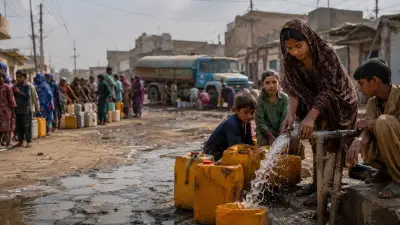
The Chenab River is not just another waterway; it is the backbone of Pakistan's food security. Flowing into Punjab, its waters irrigate vast fields of wheat, rice, and sugarcane. Over 80% of Pakistan's agriculture depends on the Indus Basin, making the timing and volume of flows a matter of national survival.
The Dulhasti Stage-II project will draw additional water from the Marusudar River, channeling it through the Pakal Dul project. Indian environmental documents admit this will alter river ecology. A 25-kilometer stretch downstream will see significant change, with effects spilling across the border. While run-of-the-river projects don't allow large storage, they enable upstream operators to control the timing of water releases, which can devastate sowing and harvest cycles in Pakistan's water-stressed farmlands.
Water as a Weapon: Broader Implications for Regional Stability
This dynamic has drawn global attention. A report by the US-based Eurasia Group, listing top risks for 2026, states that India has effectively weaponized water by suspending treaty obligations. This coercion operates invisibly—reduced or irregular flows can shrink harvests, destabilize rural incomes, and spike food prices, creating a slow-burn crisis.
The erosion of the IWT sets a dangerous global precedent, suggesting international water agreements can be set aside for political convenience. For downstream nations facing climate change, this is alarming. Introducing resource coercion into the India-Pakistan equation also strains an already fragile deterrence relationship, as water insecurity directly impacts civilian survival and is hard to contain during crises.
The Dulhasti Stage-II project is a critical test case. It will determine whether the Indus Waters Treaty remains a functional framework or becomes a relic. Proceeding without restored data-sharing or international scrutiny emboldens unilateralism and entrenches water as a tool of strategic pressure. Safeguarding the treaty is now tied to regional food security, climate resilience, and conflict prevention. In the long run, dismantling a pact that prevented conflict for over sixty years risks transforming a shared resource into a permanent source of instability in South Asia.