In a compelling call for a strategic shift, experts are urging Pakistan to place geo-environmental considerations at the very heart of its national security and peace-building framework. The argument posits that traditional security paradigms are insufficient in an era defined by climate-induced stresses and resource conflicts.
The Nexus of Environment and Security
The core thesis is that Pakistan's stability is inextricably linked to its environmental health. Factors such as water scarcity, climate change impacts, and transboundary environmental issues are no longer peripheral concerns but direct threats to national cohesion and peace. Analysts point out that internal conflicts and tensions with neighboring countries are increasingly fueled by competition over dwindling natural resources, making environmental diplomacy a critical tool for conflict prevention.
This perspective moves beyond seeing the environment as merely a sectoral issue. Instead, it frames geo-environment as a cross-cutting theme that influences economic stability, food security, migration patterns, and social harmony. Ignoring these links, experts warn, renders any peace strategy incomplete and vulnerable to collapse under environmental pressures.

Key Geo-Environmental Challenges for Pakistan
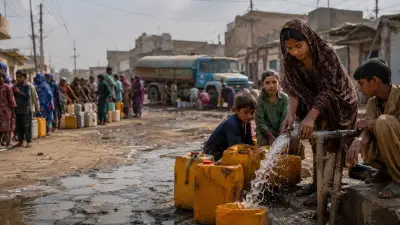
Several pressing challenges underscore the urgency of this integration. Water security remains a paramount concern, with Pakistan being one of the world's most water-stressed countries. Disputes over river waters and shared aquifers have long been a source of regional tension.
Furthermore, climate change acts as a threat multiplier. Increased frequency of extreme weather events—from devastating floods to prolonged droughts—displaces populations, destroys livelihoods, and strains state resources, creating fertile ground for instability. The melting of glaciers in the north, which feed the country's river systems, presents a long-term existential threat to water and food security.
Other critical issues include:
- Land degradation and desertification, reducing arable land and fueling rural-to-urban migration.
- Air and water pollution, creating public health crises that burden the economy.
- Biodiversity loss, undermining ecosystem services that communities depend on for survival.
Toward a Holistic Peace and Security Doctrine
The advocacy for a geo-environmental peace strategy demands a fundamental rethinking of policy formulation. It calls for greater collaboration between environmental scientists, security experts, diplomats, and policymakers. National security assessments must routinely include environmental risk analyses, and peace negotiations should incorporate agreements on shared resource management.
On a practical level, this means investing in climate-resilient infrastructure, promoting sustainable agriculture and water management, and pursuing vigorous environmental diplomacy with neighboring states. Domestic policies on energy, industry, and urban planning must be evaluated through a security lens that accounts for their environmental footprint.
Ultimately, proponents argue that a Pakistan which secures its environment secures its future peace. A strategy that robustly integrates the geo-environment is not an alternative to traditional security but an essential evolution of it, designed to address the complex, interconnected challenges of the 21st century. Failing to adapt this holistic view could leave the nation's stability perpetually at the mercy of a changing planet.