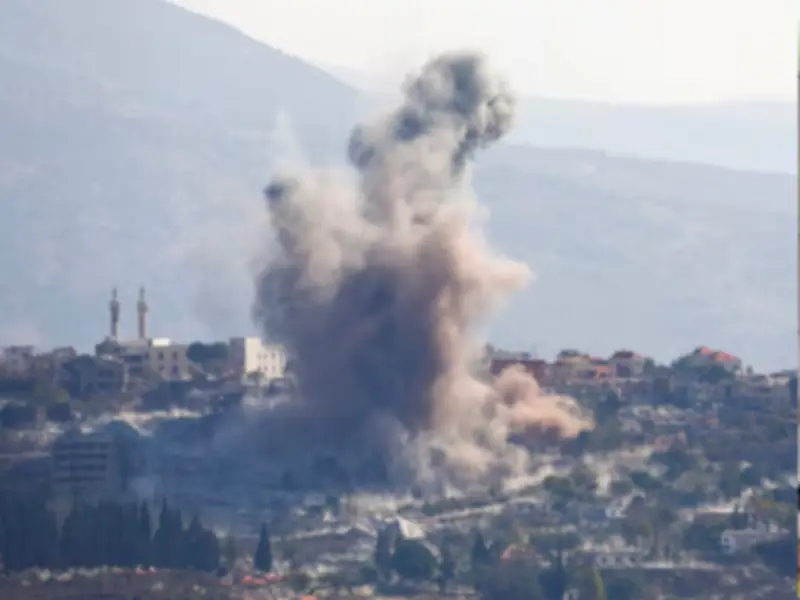
Israel and Lebanon have agreed to a conditional ceasefire, marking a significant step toward de-escalating tensions along their shared border. The agreement, brokered through international mediators, includes provisions for both sides to halt military operations and engage in dialogue. Israeli officials emphasized that the ceasefire is contingent upon Lebanon preventing future attacks from its territory, while Lebanese authorities reiterated their commitment to upholding the terms. The development has been welcomed by the international community, with many hoping it will pave the way for long-term peace and stability in the region.
Key Terms of the Agreement
The conditional ceasefire includes several key terms that both parties have agreed to uphold. Israel has demanded that Lebanon take concrete steps to prevent militant groups from launching attacks across the border. In return, Lebanon expects Israel to cease all airstrikes and incursions into Lebanese territory. Monitoring mechanisms have been proposed to ensure compliance, though details remain under discussion. Analysts suggest that the agreement could reduce the risk of a broader conflict, though challenges remain given the complex political dynamics in both countries.
International Reactions
The United Nations and the United States have both praised the ceasefire, urging both sides to maintain restraint. The UN Special Coordinator for Lebanon called the agreement "a crucial step toward stability," while US State Department officials expressed hope that it would lead to further negotiations on disputed issues. However, some regional observers remain cautious, noting that past ceasefires have often been fragile. The European Union also voiced support, offering to assist in monitoring efforts if needed.

Implications for Regional Security
The ceasefire is expected to have broader implications for the Middle East, particularly in relation to ongoing conflicts in Syria and Yemen. By reducing tensions between Israel and Lebanon, the agreement could allow for more focused diplomatic efforts on other crises. Hezbollah, the powerful Lebanese militant group, has not publicly commented on the deal, but its involvement will be critical to its success. Israeli defense officials have warned that any violation of the terms would result in a swift and forceful response.
As the ceasefire takes effect, both nations face the challenge of building trust and addressing underlying grievances. The coming weeks will be crucial in determining whether this conditional agreement can hold and lead to a more permanent resolution.