ISSI Hosts Public Talk on Europe, Nordics, and the New Reality of Power Politics
The Institute of Strategic Studies Islamabad (ISSI) organized a significant Public Talk titled “Europe, the Nordics, and the New Reality of Power Politics” yesterday. This event was convened by the Centre for Strategic Perspectives (CSP) at ISSI, bringing together experts and participants to delve into critical geopolitical shifts.
Opening Remarks and Welcome
In her introductory remarks, Dr. Neelum Nigar, Director of CSP at ISSI, warmly welcomed the distinguished guest speaker and attendees. She emphasized the growing importance of European security dynamics and the relevance of Nordic strategic thinking in today's rapidly evolving international environment. Dr. Nigar expressed appreciation for Ms. Hedda Langemyr, Founder of UTSYN – Centre for Security and Resilience in Norway, for visiting ISSI and sharing her expertise on this timely subject. She noted that such engagements are vital for fostering informed policy discourse and enhancing the broader understanding of emerging geopolitical realities.
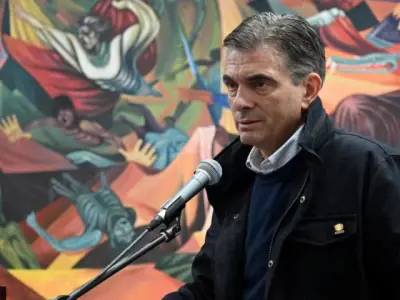
Ambassador Khalid Mahmood, Chairman of the Board of Governors at ISSI, also extended a warm welcome to Ms. Langemyr and the participants. He commended CSP for organizing a thought-provoking discussion, highlighting that global politics is currently witnessing an intensified return of power-based competition, strategic uncertainty, and evolving security challenges. Ambassador Mahmood pointed out that Europe's assumptions regarding stability and institutional security have been increasingly tested in recent years, prompting European states to reassess long-standing approaches to deterrence, sovereignty, and strategic autonomy. He further observed that the Nordic region has assumed greater strategic relevance in the contemporary security landscape.

Keynote Address by Hedda Langemyr
In her keynote address, Ms. Hedda Langemyr thanked ISSI for hosting her and expressed gratitude for the opportunity to engage with scholars and practitioners in Pakistan. She observed that international politics is shifting away from a system largely shaped by diplomatic reassurance and institutional routines toward an environment where actions, leverage, and power increasingly determine outcomes.
Ms. Langemyr discussed how geography and history continue to shape Nordic security thinking, particularly for Norway as a small state located in close proximity to Russia and strategically sensitive northern waters. She recalled Norway's early role in NATO and explained how its Cold War security posture combined deterrence with reassurance through strategic self-restraint and calibrated defence planning.
She also highlighted how the Arctic, previously peripheral in political terms, has now acquired major geopolitical significance due to climate-driven transformation, economic competition, and the growing strategic interest of major powers.
Emerging Security Challenges and Strategic Responses
Ms. Langemyr pointed to rapidly changing security challenges, including:
- Critical infrastructure vulnerabilities
- Undersea cables security
- Hybrid pressure tactics
- Cyber threats and disinformation campaigns
She noted that ambiguity and uncertainty often remain central features of such pressure, complicating response strategies.
Emphasizing the increasing relevance of “total defence” approaches, Ms. Langemyr explained that these focus on whole-of-society preparedness and robust coordination among civilian authorities, industries, and defence institutions. This approach has gained renewed urgency across the Nordics and Europe as nations seek to enhance resilience against multifaceted threats.
Conclusion and Future Cooperation
Ms. Langemyr concluded by stressing that while Europe possesses significant economic and technological strength, its key challenge lies in achieving cohesion and strategic coordination. She underscored the importance of greater cooperation among small and medium-sized states and called for deeper engagement, research collaboration, and sustained dialogue between Europe and other regions, including South Asia.

The session concluded with an interactive question-and-answer discussion, reflecting strong audience interest in the topic. In a closing gesture, Ambassador Khalid Mahmood presented Ms. Hedda Langemyr with an ISSI memento, symbolizing the fruitful exchange of ideas and strengthening of international dialogue.