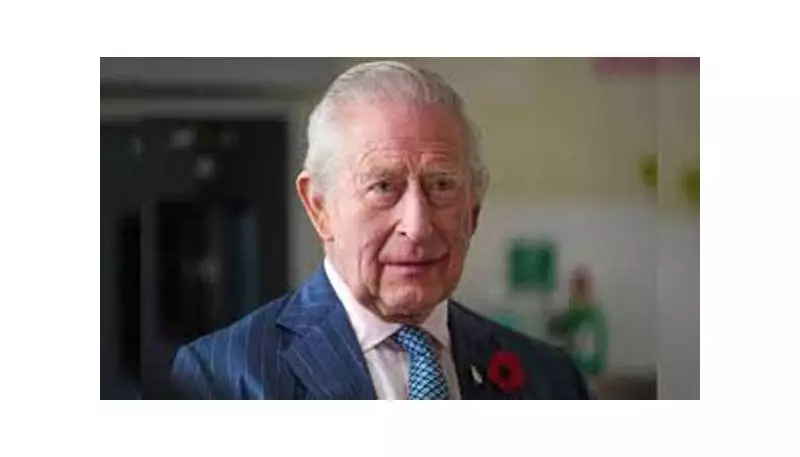
In a deeply moving address that resonated across continents, King Charles III of the United Kingdom spoke with raw emotion about the devastating impact of recent catastrophic floods across Asia, with a particular focus on Pakistan. The monarch's voice trembled as he described the immense human suffering and loss, marking one of his most powerful interventions on the global climate crisis since ascending the throne.
A Monarch's Heartfelt Plea on the Climate Emergency
The King's speech, delivered on Monday, transcended the usual formalities of royal addresses. He spoke directly to the millions affected by the relentless monsoon rains and subsequent flooding that have submerged vast regions of South Asia this year. King Charles explicitly mentioned the dire situation in Pakistan, where communities have been washed away, crops destroyed, and livelihoods shattered. His words painted a vivid picture of the crisis, emphasizing that these were not distant events but a clear and present danger fueled by a changing climate.
He did not mince words, linking the intensity and frequency of these disasters directly to global warming. The monarch argued that the science is unequivocal and that the window for meaningful action is closing rapidly. His address served as a stark reminder that nations which contribute minimally to carbon emissions, like Pakistan, often bear the brunt of its most severe consequences. The emotional weight of his delivery underscored a personal, decades-long commitment to environmental causes, now amplified by his position as head of state.

The Human Cost of Catastrophe in Pakistan and Beyond
Delving into the specifics, the King highlighted the staggering scale of the devastation. While acknowledging floods in other Asian nations, his focus on Pakistan underscored the country's acute vulnerability. He referenced the mass displacement of populations, with millions forced from their homes, and the crippling blow to food security as agricultural land lay ruined under water. The destruction of critical infrastructure—roads, bridges, schools, and health facilities—was noted as a setback that would take years and immense resources to rebuild.
The speech went beyond statistics to touch on the profound psychological and social trauma inflicted on survivors. King Charles spoke of families torn apart, children's education disrupted, and the looming threat of waterborne diseases in the aftermath. This human-centric narrative aimed to bridge the gap between abstract climate data and the ground reality faced by victims, making the crisis feel immediate and personal to a global audience.
A Call for Unified Global Action and Solidarity
In his concluding remarks, King Charles III issued a compelling call to action. He urged world leaders, international bodies, and the private sector to move beyond pledges and implement concrete, coordinated measures. He emphasized the moral imperative for wealthier, high-emitting nations to support vulnerable countries not just with immediate disaster relief, but with long-term funding for climate adaptation and resilient infrastructure.
The monarch advocated for a renewed spirit of global solidarity, framing the fight against climate change as the defining challenge of this generation. His emotional appeal was clear: the suffering witnessed in Pakistan and across Asia is a preview of a future that will affect all humanity if decisive steps are not taken. The speech has been widely interpreted as a significant effort to use the soft power of the monarchy to galvanize political will on the international stage, reminding the world that compassion and urgent action are not mutually exclusive but are, in fact, essential partners in facing this crisis.