Pakistan has issued a firm and unequivocal rejection of recent statements made by Indian officials claiming that the Jammu and Kashmir region is an internal matter of India. The response from Islamabad underscores that the status of the disputed territory remains an internationally recognized issue pending a final settlement.
Diplomatic Rebuttal to Indian Assertions
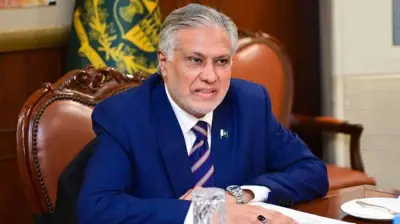
The spokesperson for Pakistan's Ministry of Foreign Affairs delivered a pointed rebuttal on Tuesday, December 17, 2024. The official emphasized that India cannot unilaterally alter the disputed nature of Jammu and Kashmir. This statement directly countered assertions from New Delhi which sought to frame the long-standing conflict as a purely domestic issue.
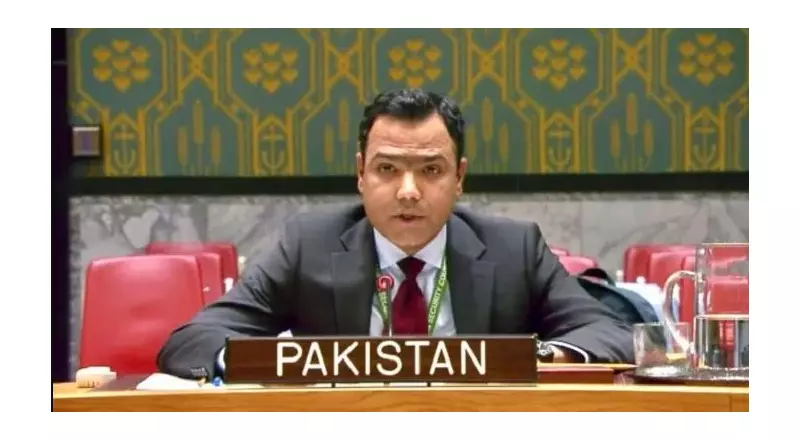
Pakistan's position is firmly rooted in the established framework of United Nations Security Council resolutions. The Foreign Office highlighted that these resolutions provide a clear path forward, mandating that the final disposition of the state must be decided by its people through a democratic plebiscite.

The Core of the Dispute: UN Resolutions and the Right to Self-Determination
At the heart of Pakistan's argument is the unimplemented UN Security Council Resolution 47, adopted in 1948, among others. These resolutions collectively affirm the right to self-determination for the people of Jammu and Kashmir. Pakistan's statement reiterated that the international community has a responsibility to ensure these resolutions are not relegated to history but are acted upon.
The spokesperson detailed that the dispute's origins lie in India's failure to execute these very resolutions. By refusing to allow the Kashmiri people their promised right to choose their own future, India has perpetuated a conflict that has spanned over seven decades. Pakistan's call is for the international body to fulfill its commitments and facilitate a peaceful resolution in accordance with the wishes of the Kashmiri population.
Condemnation of Human Rights Violations in IIOJK
Alongside the legal and diplomatic arguments, Pakistan's statement included a strong condemnation of the situation on the ground in what it terms Indian Illegally Occupied Jammu and Kashmir (IIOJK). The Foreign Office accused Indian authorities of severe human rights abuses, including extrajudicial killings, arbitrary detentions, and the suppression of political dissent.
These actions, according to Islamabad, are part of a deliberate campaign to alter the demographic makeup of the region and intimidate its populace. Pakistan asserts that such measures are illegal under international law and further complicate the path to a peaceful settlement. The statement called for immediate international attention to what it describes as a deteriorating humanitarian and rights crisis.
In conclusion, Pakistan's message is one of steadfast adherence to the multilateral process. It rejects any unilateral attempts to change the status of Kashmir and places the onus on the United Nations to revive its role as a guarantor of the Kashmiri people's rights. The response signals that Islamabad will continue to champion the issue on all diplomatic fronts, maintaining that a just and lasting peace is only possible through the implementation of the UN-mandated plebiscite.