The foreign ministers of Pakistan, Saudi Arabia, Türkiye and Egypt will convene in Cairo on Sunday for a pivotal round of consultations aimed at synchronizing their positions on regional security and political developments. This meeting occurs just days after the landmark interim agreement between Iran and the United States, which has substantially reshaped the Middle East's diplomatic landscape.
Fourth R-4 Meeting
This gathering marks the fourth session of the R-4 grouping, taking place at a time when regional capitals are evaluating the implications of the Iran-US understanding. The deal, primarily brokered by Pakistan following months of tensions and military confrontations that brought the region perilously close to a broader conflict, has set the stage for renewed diplomatic efforts.
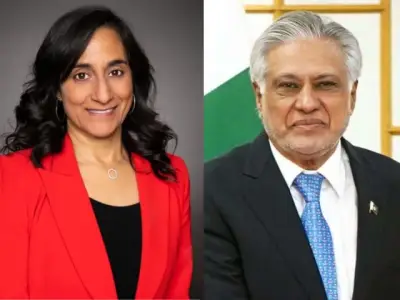
Deputy Prime Minister and Foreign Minister Ishaq Dar will represent Pakistan at the meeting, hosted by Egyptian Foreign Minister Dr. Badr Abdelatty. The gathering will also bring together the foreign ministers of Saudi Arabia and Türkiye.

Review of Regional Situation
Diplomatic sources indicate that the ministers are expected to review the rapidly evolving regional situation in the aftermath of the Iran-US deal. They will explore ways to consolidate recent gains toward broader peace and stability in the Middle East. "The timing of the meeting is significant," a diplomatic source observed. "The region is entering a new phase following the Iran-US understanding, and there is a growing realization among influential Muslim countries that closer coordination is needed to shape future developments."
Evolution of the R-4 Framework
The R-4 framework, initially conceived as a consultative platform among four key Muslim countries, has gained momentum over the past few months amid growing geopolitical uncertainty and multiple regional crises. What began as periodic consultations is increasingly being viewed as an emerging mechanism for coordinated diplomacy on issues affecting the broader Muslim world, particularly the Middle East.
Institutionalizing Cooperation
Officials familiar with the process said the Cairo meeting would also review progress made since previous R-4 sessions and discuss proposals aimed at institutionalizing cooperation in areas ranging from diplomacy and conflict prevention to economic collaboration. The latest ministerial gathering follows a series of increasingly frequent engagements among the four countries, fueling speculation that the forum may eventually evolve into a more structured grouping.
While officials reject suggestions that the R-4 is intended to become a formal alliance, they acknowledge that the participating countries share a common interest in promoting regional stability, strengthening economic linkages, and enhancing collective diplomatic influence. Pakistan has been one of the strongest proponents of greater coordination among major Muslim countries, arguing that regional challenges require collective responses rather than isolated national efforts.