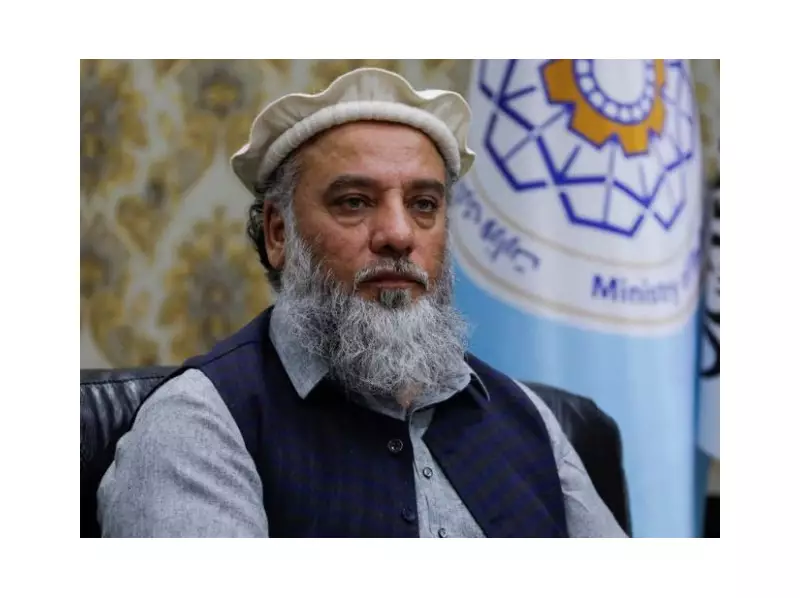
Taliban Commerce Minister Arrives in Delhi for Trade Negotiations
In a significant diplomatic development, Nooruddin Azizi, the Taliban regime's interim minister for industry and commerce, has arrived in New Delhi for crucial trade discussions. This marks the second high-level visit by Taliban officials to India within just one month, following the unusual eight-day tour by Taliban interim foreign minister Amir Khan Muttaqi.
The back-to-back visits indicate a profound transformation in Afghanistan's foreign policy approach. Despite India's official non-recognition of the Taliban government in Kabul, diplomatic engagements between the two nations are becoming increasingly frequent and visible.
From Ideological Enemy to Economic Partner
This diplomatic pivot represents a dramatic reversal for the hardline Taliban movement. For over two decades, Taliban propaganda consistently portrayed India as a Hindu "kafir" power aligned with anti-Islamic forces. Indian development projects in Afghanistan were denounced as covert political interference, and the destruction of the Bamiyan Buddhas in 2001 was justified as resistance against perceived Hindu-Buddhist civilizational threats.

Yet in 2025, the same Taliban regime now actively seeks Indian wheat supplies, credit lines, infrastructure development, and market access. The language of ideological resistance has been replaced by discussions about trade corridors and investment portfolios.
The contrast between the 2001 destruction of Buddhist heritage and current diplomatic overtures toward India highlights the Taliban's pragmatic acknowledgment that heritage diplomacy cannot feed Afghanistan's starving population or stabilize its collapsing economy.
Regional Implications and Pakistan's Concerns
The timing of these diplomatic moves carries significant political sensitivity. While the Taliban regime frequently emphasizes "Islamic brotherhood" and historic ties with Pakistan, bilateral relations have deteriorated sharply since 2022 due to multiple issues including TTP sanctuaries inside Afghanistan, border skirmishes, and increasing refugee movements.
Instead of resolving these pressing issues with Pakistan, the Taliban has chosen to intensify engagement with India - a non-Muslim regional power. This sends a clear message that economic opportunity now outweighs ideological affinity in Taliban foreign policy calculations.
For Pakistan, this shift challenges decades of assumed Afghan alignment and exposes Islamabad's diminishing leverage over Kabul. The Taliban's outreach to India represents a strategic recalibration that could significantly impact regional dynamics.
Contradictions in Global Engagement
Another layer of contradiction emerges in the Taliban's approach to global economic systems. For decades, Taliban leaders denounced Western financial institutions, interest-based banking, and global economic architecture as forms of "slavery."
Yet today, they seek Indian assistance precisely because Delhi is deeply integrated into those very systems - including the IMF, World Bank, and Western-led investment networks. This reveals a fundamental pattern: ideology governs speeches, while necessity drives policy.
The Taliban's behavior demonstrates a clear split between domestic governance and international engagement. While maintaining strict ideological control at home through restrictions on women's education and civil liberties, the regime shows remarkable flexibility and transactional opportunism in foreign diplomacy.
Strategic Calculations and Future Prospects
India's own strategic calculations are equally clear. Delhi seeks to maintain presence in Afghanistan without military deployment, counterbalance Pakistan's influence, protect Indian development projects worth over $3 billion, and secure long-term access to Central Asian energy and markets through Afghan corridors.
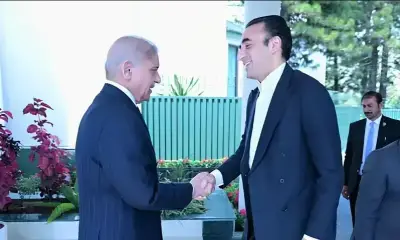
While India is unlikely to formally recognize the Taliban regime in the near term, it will continue to leverage engagement for strategic dividends. Each handshake and press appearance with Indian officials provides the Taliban with valuable political normalization and visibility on the international stage.

Ultimately, the Taliban's rapid pivot toward India reveals the regime's fundamental challenge: domestic control is enforced through ideology, but international survival requires pragmatism. When faced with economic desperation and diplomatic isolation, even decades of anti-India rhetoric can be set aside in pursuit of trade routes, wheat supplies, and diplomatic openings.