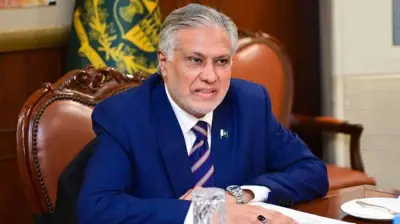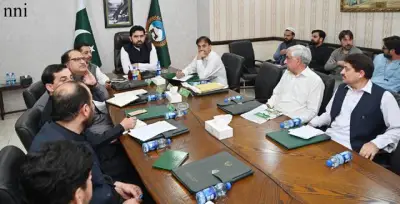
The Embassy of Turkiye in Islamabad took a significant step to advocate for a more inclusive society by hosting a special event to mark the International Day of Persons with Disabilities. The gathering focused on promoting accessibility and equal participation for all citizens across Pakistan.
Ambassador Reaffirms Commitment to Inclusive Development
Ambassador of Turkiye to Pakistan, Dr. Irfan Neziroglu, personally welcomed participants, which included individuals with physical, visual, speech, and hearing disabilities. Representatives from civil society organizations and the media were also in attendance. In his address, Dr. Neziroglu firmly stated that true social progress is impossible without the full and equal participation of every citizen. He reiterated Turkiye's steadfast commitment to disability-inclusive development and praised the relentless efforts of Pakistani NGOs, organizations, and individuals working to advance the rights and welfare of persons with disabilities.
Calls for National Standards and Bilateral Cooperation
The event served as a platform for urgent calls to action. Asmatullah Niazi, representing the National Press Club, emphasized the critical need for establishing and enforcing nationwide accessibility standards. He argued that an inclusive society can only become a reality when accessibility is guaranteed in every part of the country.

Representatives from STEP, Ambia Akram and Muhammad Atif, highlighted the potential for deeper collaboration between Pakistan and Turkiye. They specifically pointed to opportunities for leveraging Turkiye's experience in accessibility solutions and technological innovation to support persons with disabilities in both nations.
Pathways for Strengthened Pak-Turkiye Partnership
Ambassador Neziroglu outlined concrete avenues for enhanced bilateral cooperation. He spotlighted the potential for joint initiatives, shared expertise, and collaborative programs aimed at promoting accessibility, inclusive education, and broader societal participation for persons with disabilities. This partnership, he suggested, could serve as a powerful model for regional progress on disability rights and inclusion.