Climate Summit Begins Amid Challenges and Hope
The United Nations climate conference, known as COP30, officially opened on Monday in the Brazilian Amazon city of Belem, with world leaders making passionate appeals to continue the global fight against climate change, even as the United States remains notably absent from the proceedings.
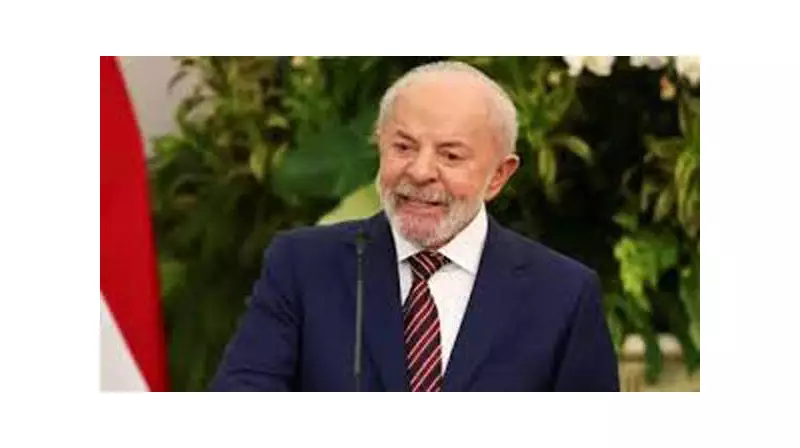
The conference commenced with traditional performances from Indigenous people in feathered headpieces, setting the stage for Brazilian President Luiz Inacio Lula da Silva's powerful opening address where he directly challenged climate change deniers.
Leadership and Opposition at COP30
President Lula delivered a thunderous speech, declaring it was time to "inflict a new defeat on the deniers" while pointedly criticizing those who "spread fear, attack institutions, science, and universities." His strong words set the tone for what promises to be a challenging two-week summit.

The absence of the United States, the world's top oil producer and second-largest polluter, weighs heavily on the negotiations. However, American state and local leaders, including California Governor Gavin Newsom, are scheduled to participate on Tuesday to demonstrate that the country hasn't completely abandoned climate efforts.
UN climate chief Simon Stiell offered words of encouragement, stating "Make no mistake, humanity is still in this fight. We have some tough opponents, no doubt, but we also have some heavyweights on our side." He highlighted the significant progress in renewable energy, which has now overtaken coal as the world's top energy source - an achievement he called "extraordinary progress that was unimaginable a decade ago."
Critical Challenges and Urgent Warnings
The summit opens against a backdrop of destructive storms in the Caribbean and Asia, with growing concerns that geopolitical tensions - from wars to trade disputes - are diverting attention from the climate crisis.
In a sobering reminder of what's at stake, the UN's top climate scientist reaffirmed that a temporary breach of the 1.5 degrees Celsius benchmark - the safer warming goal established in the Paris Agreement - is now inevitable.
Logistical problems in Belem have compounded these challenges, including a severe shortage of hotel rooms. Organizers report that just over 42,000 delegates have gathered, fewer than at recent editions, as sky-high accommodation costs appear to have kept many participants away.
President Lula has defended the choice of location, emphasizing his desire to bring global attention to the Amazon's crucial role in combating climate change.
The conference faces familiar divisions between rich nations and developing countries over how to raise the necessary funds for poorer regions to adapt to climate change and transition to low-carbon futures. Evans Njewa, a Malawian diplomat who chairs the Least Developed Countries bloc representing more than one billion people, told reporters: "Our 44 countries did not light this fire, but we are bearing its heat."
Major oil producers like Saudi Arabia have traditionally opposed efforts at COPs to focus on fossil fuels, though nations historically agreed to transition away from fossil fuels for the first time at COP28 in 2023. President Lula has proposed developing a "roadmap" on fossil fuels at COP30, though the proposal currently lacks specific details.
The urgency of the situation was emphasized by Tuvalu's minister for climate affairs and environment, Maina Vakafua Talia, who told AFP: "If they don't deliver on 1.5C, that spells our demise." Small island nations are pushing to make the world's failure to control global temperature rises an official agenda item, with a Western diplomat noting these nations "are ready to upend the COP" if they don't see a stronger official response to their survival concerns.