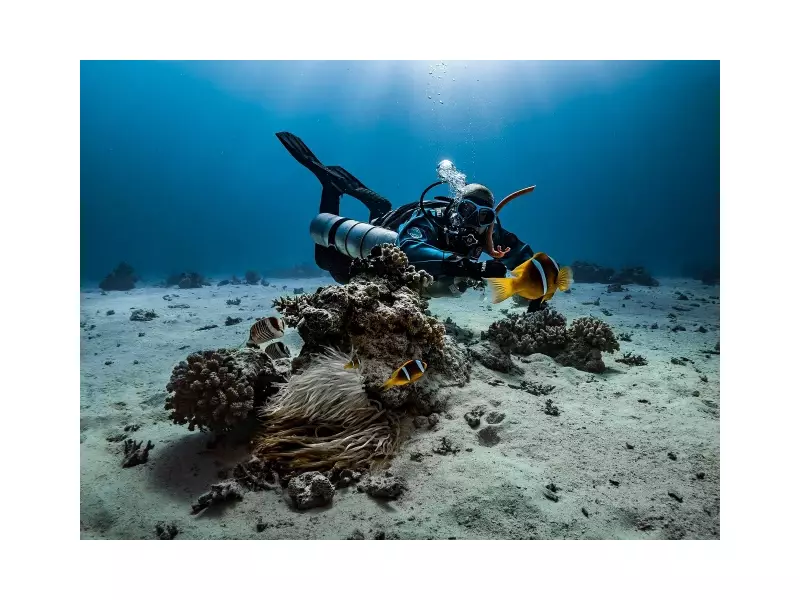
A historic international agreement designed to protect the vast, open oceans has officially come into force. The treaty, known as the Biodiversity Beyond National Jurisdiction (BBNJ) agreement, provides the world with its first comprehensive legal framework to conserve marine life in international waters, which cover nearly two-thirds of the global ocean.
From Negotiation to Reality: A 15-Year Journey
The United Nations treaty, finalized in March 2023 after 15 years of complex negotiations, became operational on Saturday. It reached the critical threshold for activation when it achieved 60 national ratifications on September 19 last year, triggering a 120-day countdown to its entry into force. Since then, support has grown significantly, with the number of ratifying nations rising to more than 80. Major economies including China, Brazil, and Japan have joined the pact, while countries like Britain and Australia are expected to follow soon. The United States signed under a previous administration but has not yet ratified it.
"It's two-thirds of the ocean, [and] it's half the surface of the planet that for the first time will have a comprehensive legal regime," stated Adam McCarthy, first assistant secretary at the Australian foreign ministry and a co-chair of the treaty's preparatory committee.

Key Mechanisms and Ambitious Targets
The treaty's core objectives are multifaceted. It establishes a pathway to create a global network of "marine protected areas" in the high seas, ecosystems that have largely been unregulated. This is central to meeting a crucial global conservation goal: the "30 by 30" target to bring 30% of the world's oceans under formal protection by the year 2030.
Currently, only about 8% of the ocean—or 29 million square kilometres—is protected. Environmental experts estimate that achieving the 30% goal would require the establishment of over 190,000 protected areas. The treaty also mandates that countries conduct environmental impact assessments for activities that could harm ocean ecology. Furthermore, it creates mechanisms for the fair sharing of benefits from the "blue economy," including profits and research from marine genetic resources used in fields like biotechnology.
Limitations and the Path Forward
Despite its broad scope, the BBNJ treaty has defined limits. It will not directly regulate one of the emerging threats identified by conservationists: deep-sea mining. Authority over mineral extraction from the seabed remains with the separate International Seabed Authority (ISA).
"BBNJ is very ambitious, but there are certain defined limits," clarified McCarthy. "The question of mining in the seabed simply belongs to the ISA. It's not something where the BBNJ gets a role."
Advocates are now pushing for universal adoption to ensure the treaty's maximum effectiveness. "Whilst we only needed 60 for it to enter into force, obviously it's really critical for its implementation... to achieve global or universal ratification," emphasized Rebecca Hubbard, Director of the High Seas Alliance. "We're really aiming for all UN member states to ratify the treaty." This global cooperation is seen as the only way to ensure the long-term health of our planet's most expansive and vital ecosystem.