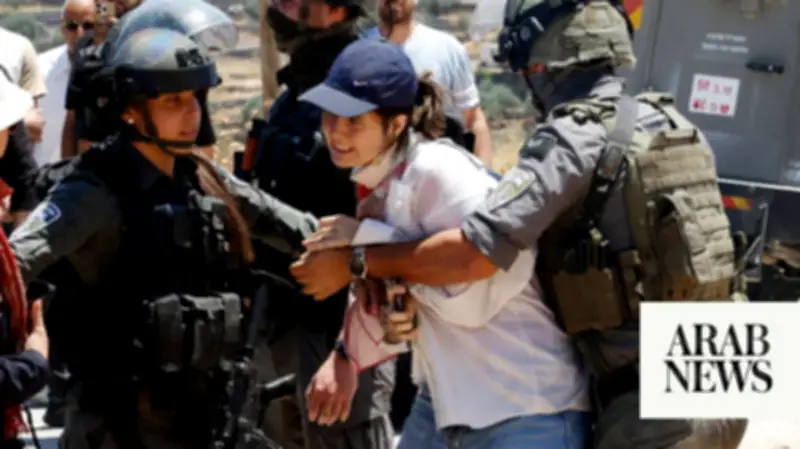
The Palestinian Prisoners' Society has reported that 65 high school students are currently held in Israeli custody, preventing them from taking their secondary school final examinations this year. According to data from the Ministry of Education, these incarcerated students face severe conditions, including torture, separation from their families, and denial of their right to education.
Intensified Arrest Campaigns and Deteriorating Conditions
The society stated that Israeli authorities have intensified campaigns targeting the arrest of Palestinian students. Previously secured rights for Palestinian prisoners, such as access to education, have been revoked, and detention conditions have significantly worsened. The society emphasized that the right to education was established after years of struggle, despite repeated Israeli attempts to deny it. However, the prison system has now eliminated all rights, transforming prisons into 'open spaces for torture and abuse around the clock.'
The society called on international human rights organizations and relevant UN bodies to take responsibility for the escalating crimes against detained Palestinian students. It urged immediate action to pressure Israeli authorities to halt policies targeting students, ensure the protection of imprisoned children and students, and end systematic torture that violates international humanitarian law, the Convention on the Rights of the Child, and the International Covenant on Economic, Social and Cultural Rights.

Prime Minister's Visit to Sebastia
Meanwhile, Prime Minister Mohammed Mustafa visited the town of Sebastia in the Nablus governorate, accompanied by several ministers, to show support for the town's resilience amid ongoing targeting by Israeli occupation forces and settlers. The visit was attended by Nablus Governor Ghassan Daghlas, municipal leaders, and representatives of local institutions and national organizations.
The visit carried a political and national message affirming the Palestinian people's attachment to their land, heritage, and identity. Mustafa stated that Sebastia is not merely an archaeological site but 'a living Palestinian model' of resilience, development, and determination, reflecting the Palestinian people's commitment to their history and future despite ongoing challenges. He argued that current developments extend beyond attempts to control land and are part of broader efforts to transform the Israeli occupation into a project of ethnic cleansing, but added that such attempts would ultimately fail.