Iran has announced the closure of the Strait of Hormuz after its Revolutionary Guards seized a vessel, a move that could further complicate efforts to revive US-Iran negotiations following recent military exchanges and rising tensions.
US Ultimatum and Iran's Response
According to reports by Axios and Politico, Washington had given Tehran until Saturday to stop targeting commercial vessels passing through the Strait of Hormuz and formally confirm that the strategic waterway remained open for navigation. One of the main sticking points in ongoing negotiations is the future of the Strait of Hormuz. Tehran insists it has the authority to regulate shipping through the passage, while Washington continues to demand unrestricted access for international vessels.
Details of the Seizure
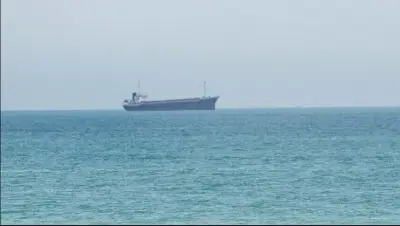
The Islamic Revolutionary Guard Corps (IRGC) said the vessel was “hit by warning shots and stopped” after it allegedly ignored repeated instructions to use an approved shipping corridor, according to a statement carried by state news agency IRNA on Sunday. “Following this incident… the Strait of Hormuz will be closed until further notice and until the end of American interventions in this region and no vessels will be allowed to pass through,” the Guards said. The IRGC also warned that it would target “new enemy bases in the region” if further military action was launched against Iran.

Strategic Importance
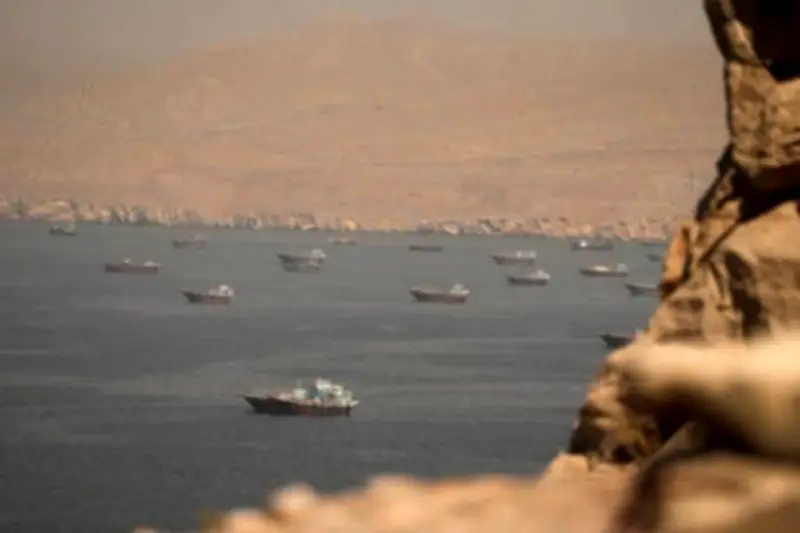
The Strait of Hormuz is regarded as one of the world's most strategically important maritime routes. Nearly one-fifth of global oil and liquefied natural gas shipments pass through the narrow waterway, making any disruption a major concern for global energy markets. Iran had previously closed the strait to commercial shipping during its conflict with the United States and Israel, a move that triggered sharp increases in oil prices and disrupted maritime trade across the region.
Legal and Diplomatic Implications
Tehran maintains that it has the right to regulate traffic through the strait and has announced plans to impose fees on vessels using the route. Iranian officials have repeatedly stated that there will be no return to the pre-war system of unrestricted navigation. The United States has rejected Iran's position, insisting that commercial shipping must continue to move freely through the strategic waterway. Under customary international law, countries are generally not allowed to impose tolls on straits used for international navigation.