A senior member of Iran's parliament indicated on Monday that the nationwide internet blackout, imposed during the deadliest domestic unrest since the 1979 Islamic Revolution, could be lifted within the next few days. The communications shutdown was enforced as authorities used massive force to suppress widespread protests that erupted in late December.
State TV Hacked Amidst Unrest
In a significant breach, Iranian state television appeared to be hacked late on Sunday. For a brief period, broadcasts were interrupted to show speeches by United States President Donald Trump and Reza Pahlavi, the US-based exiled son of Iran's last shah. Both figures called on the Iranian public to revolt against the clerical establishment. The hacked segment aired under the headline "the real news of the Iranian national revolution," marking a stark challenge to the authorities' control over information.
Violent Crackdown and Soaring Death Toll
According to an Iranian official speaking to Reuters on condition of anonymity, the confirmed death toll from the unrest has surpassed 5,000 individuals. This figure includes approximately 500 members of the security forces. The official noted that some of the most severe violence occurred in ethnic Kurdish regions in the country's northwest. Western-based Iranian human rights organizations have corroborated claims that thousands were killed.

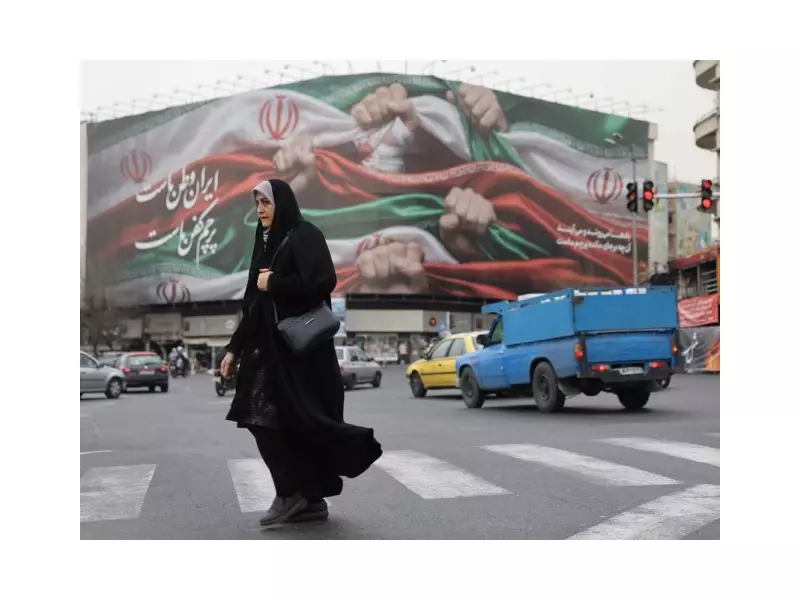
Streets across Iran have been largely quiet for the past week, following three days of intense violence that quelled the anti-government demonstrations. However, arrests have reportedly continued. On Sunday, state television announced detentions in Tehran, Kerman in the south, and Semnan east of the capital, alleging some detainees were agents of Israeli terrorist groups.
Severe Injuries and Conflicting Narratives
The US-based Iranian Kurdish rights group HRANA reported on Monday that many protesters sustained severe injuries from pellet fire aimed at the face and chest, resulting in blindness, internal bleeding, and organ damage. The narrative of events remains fiercely contested. Opponents of the government accuse authorities of opening fire on peaceful demonstrators. In contrast, Iran's clerical rulers maintain that armed crowds, encouraged by foreign enemies, attacked hospitals and mosques. The scale of violence and death far exceeds previous bouts of anti-government unrest in 2022 and 2009.
Regional Tensions and Internet Restoration
The crisis has escalated regional tensions, with former US President Donald Trump issuing repeated threats of military intervention. This rhetoric alarmed Gulf Arab states, prompting intensive diplomatic efforts with both Washington and Tehran. Iran's ambassador to Saudi Arabia, Alireza Enayati, warned on Monday that "igniting any conflict will have consequences for the entire region."
Regarding the internet blackout, Ebrahim Azizi, head of parliament's National Security and Foreign Policy Committee, stated that top security bodies would decide on restoring connectivity in the coming days. He said service would resume "as soon as security conditions are appropriate." The internet monitoring group Netblocks reported that while national connectivity remains minimal, a restricted "filternet" is allowing some messages through, suggesting authorities are testing a heavily filtered national intranet service.
Hardline parliament member Hamid Rasaei criticized the initial openness, saying authorities should have heeded Supreme Leader Ali Khamenei's earlier warnings about "lax cyberspace." Meanwhile, Reza Pahlavi, who has emerged as a prominent opposition voice, has stated his intention to return to Iran, though his level of domestic support is difficult to independently assess.