Israeli Plan Targets 142 Archaeological Sites in Hebron
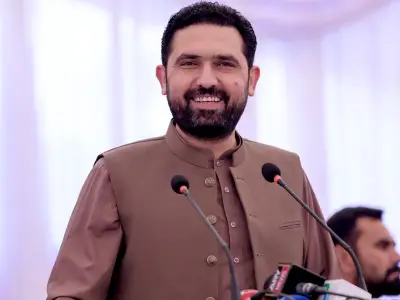
Jabr Al-Rajoub, director of the tourism and antiquities directorate in Hebron, has stated that Israeli authorities are moving forward with a plan to assert control over 142 archaeological sites in the governorate. The plan involves transferring administration from military authorities to a civilian body affiliated with the Israeli government, according to a report by WAFA.
Al-Rajoub explained that this move is part of a broader policy aimed at tightening control over archaeological sites and using them to advance the colonial settlement project. He said settler organizations, backed by the Israeli government and under the direction of hard-right Israeli ministers Itamar Ben-Gvir and Bezalel Smotrich, are working to transfer management of the sites to Israeli colonists. These colonists have expanded their presence by establishing new settlement outposts near several sites.
Recent Sites Affected
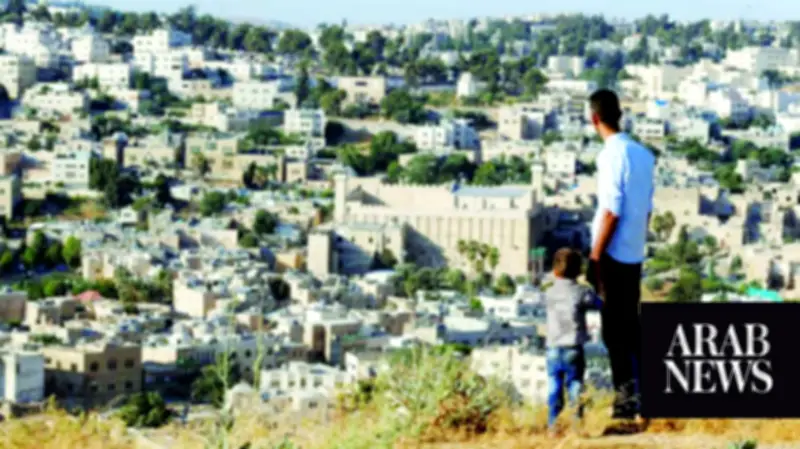
Among the sites that have recently come under increased colonist control are the Ein Far’a archaeological area and the Nabi Saleh shrine east of the town of Idhna. This follows the establishment of the Adorayim settlement outpost nearby. Al-Rajoub also referred to recent roofing and restoration work at the Ibrahimi Mosque by settler organizations with Israeli government backing, saying it is part of the same policy aimed at imposing new realities at Palestinian archaeological and religious sites.

Settler groups have for years lobbied for the transfer of administrative authority over the sites to accelerate plans to expand Israeli control and consolidate their presence through settlement institutions, Al-Rajoub added.
Area C and International Law
According to Al-Rajoub, most of the targeted archaeological sites are in Area C of the occupied West Bank. These sites have for years been subjected to repeated measures, including land seizure, establishment of settlement outposts, and restrictions on Palestinian access, which he said are aimed at altering the historical and cultural character of the sites.
Meanwhile, the governorate of Jerusalem said that the laying of the foundation stone for the so-called “Heritage Center” at the site of the historic Jerusalem International Airport in Qalandiya, north of occupied Jerusalem, constitutes a dangerous escalation in settlement expansion. It described this as a flagrant violation of international law and relevant UN resolutions, including UN Security Council Resolution 2334, which affirms the illegality of Israeli settlements in the occupied Palestinian territory, including East Jerusalem.
Netanyahu's Role and Escalation
The governorate stated that the move by Israeli Prime Minister Benjamin Netanyahu reflects a shift from planning to imposing facts on the ground, part of a systematic policy aimed at reshaping the geographical and historical identity of Jerusalem. The project seeks to seize one of the most prominent Palestinian sovereign landmarks and transform it into a facility serving the Israeli narrative, thereby entrenching an unlawful annexation project.
The statement added that the plan is part of decisions adopted by the Israeli government on May 17, coinciding with so-called “Jerusalem Day,” aimed at expanding and deepening settlement activity in the city. It includes converting the former Jerusalem International Airport into a cultural and ideological center that reinterprets the site’s history according to an Israeli narrative.
Broader Implications
The governorate warned that the project goes beyond the reuse of the building, extending to the reengineering of historical memory by promoting narratives related to “settlement history” and linking the site to Israeli political and military figures, in an effort to erase Palestinian and Arab historical ties to the airport as a symbol of Palestinian sovereignty.

It noted that the project coincides with wider settlement escalation in northern Jerusalem, including plans for a waste treatment facility on Qalandiya lands, the confiscation of hundreds of dunams, and the displacement or isolation of Palestinian families, in addition to the expansion of the Atarot settlement project, which aims to establish thousands of housing units. The governorate said these measures form an integrated system to reshape Jerusalem’s geography by connecting settlement blocs while fragmenting Palestinian geographic continuity, particularly in the city’s northern areas.