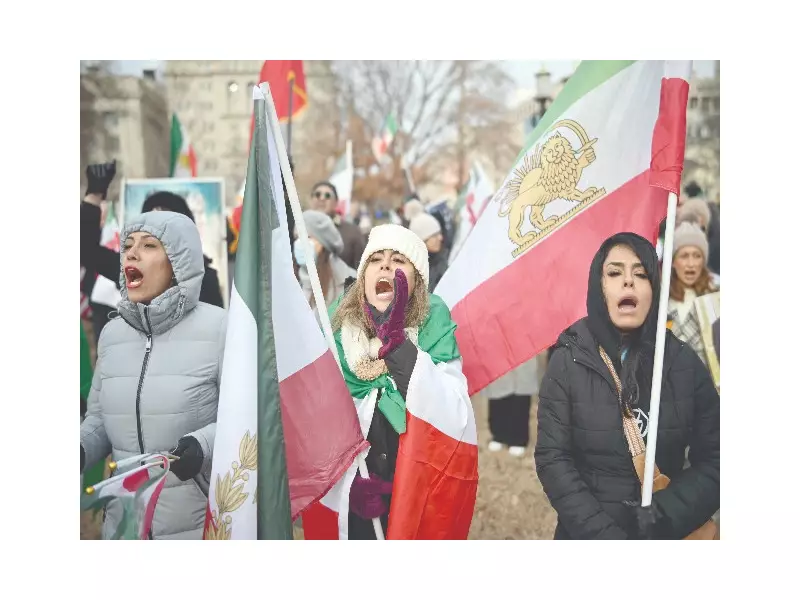
Fresh and violent confrontations have broken out between demonstrators and state security forces in Iran, according to rights monitors and local media reports on Sunday. The unrest, initially triggered by public fury over soaring living expenses, has now stretched into its second consecutive week, presenting a renewed challenge to the country's leadership.
Escalating Violence and Nationwide Spread
At least 12 individuals have lost their lives since the protest wave began on December 28, a toll compiled from official statements confirms. The casualties include members of the security forces. The protests ignited following a strike by shopkeepers in the capital, Tehran.
Overnight, demonstrations featuring slogans critical of Iran's clerical leadership were reported in multiple regions. These included Tehran, the southern city of Shiraz, and several areas in western Iran, as noted by the US-based Human Rights Activists News Agency (HRANA). The western regions, home to significant Kurdish and Lor minority populations, have been a focal point of the latest movement.

A New Challenge Amidst Existing Crises
These protests mark the most significant public dissent in Iran since the massive 2022-2023 uprising that followed the death in custody of Mahsa Amini. Amini had been detained for allegedly breaching the country's strict female dress code. While the current demonstrations have not yet reached the scale of that previous movement, they signify a persistent undercurrent of discontent.
The unrest arrives as a new test for Supreme Leader Ayatollah Ali Khamenei, who is 86 and has held power since 1989. It follows closely on the heels of a tense 12-day conflict with Israel in June, which resulted in damage to nuclear facilities and the deaths of key security personnel.
Government Response and Economic Pressure
With President Masoud Pezeshkian's administration facing intense pressure to address the economic hardship fueling the anger, the government announced a temporary relief measure on Sunday. Government spokeswoman Fatemeh Mohajerani stated on state television that citizens would receive a monthly allowance equivalent to roughly $7 for the next four months.
The geographic spread of the protests is extensive. Based on official announcements and media reports tallied by AFP, the demonstrations have occurred in 23 out of Iran's 31 provinces, impacting at least 40 different cities to varying degrees. Most of the affected urban centers are small to medium in size.
The situation remains fluid, with the protests rooted in economic grievances but increasingly featuring political slogans, indicating a broadening of public demands against the backdrop of severe inflation and international isolation.