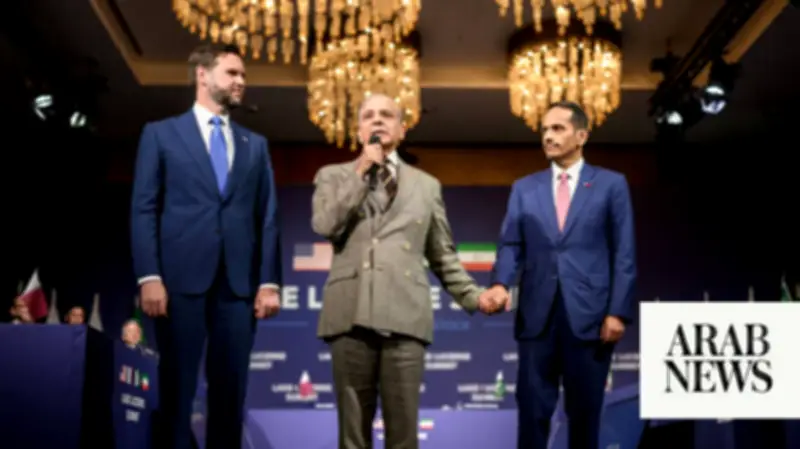
Breakthrough in US-Iran Mediation
Pakistan and Qatar said in a joint statement on Monday that talks between the US and Iran had produced a roadmap toward reaching a final agreement within 60 days. The parties also agreed to establish new mechanisms aimed at preventing clashes in Lebanon and safeguarding commercial shipping through the Strait of Hormuz.
US Vice President JD Vance led talks with Iranian officials in Bürgenstock, Switzerland, on Sunday under the terms of the ‘Islamabad Memorandum of Understanding’ reached last week to extend a tenuous ceasefire between Iran and the US from April for at least another 60 days. The discussions, which involved Pakistan and Qatar as mediators, continued until the early hours of Monday as part of efforts to end months of conflict in the Middle East that have disrupted energy markets and fueled inflationary pressures worldwide.
Positive Atmosphere and Encouraging Progress
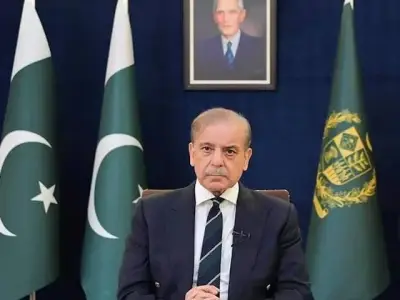
A joint statement by Pakistan and Qatar said the talks had been conducted in a “positive and constructive atmosphere” and yielded “encouraging progress,” including the creation of a mechanism for further technical negotiations. “The First High-Level Committee Meeting under the framework of the Islamabad Memorandum of Understanding has concluded successfully in Bürgenstock, Switzerland,” Pakistani Prime Minister Shehbaz Sharif said in a separate statement on X. “The discussions were held in a positive and constructive atmosphere and yielded encouraging progress, including agreement on a roadmap toward a final deal within 60 days, the establishment of a High-Level Committee to provide political oversight, and the commencement of further technical talks.”

Iranian Delegation Returns to Tehran
Iranian foreign ministry spokesperson Esmaeil Baqaei said separately the Iranian delegation had concluded “intensive discussions” in Switzerland on implementing the memorandum of understanding and was returning to Tehran. In a statement posted on X, Baqaei said Tehran, Washington and the mediators had agreed on executive mechanisms to oversee implementation of the accord and also confirmed that expert- and technical-level talks would continue. He said progress on issues including military operations in Lebanon, Iranian oil and petrochemical exports, and the release of frozen Iranian assets would help facilitate implementation of reciprocal commitments under the agreement.
High-Level Committee and Working Groups
According to the Pak-Qatar joint statement, the newly established High-Level Committee will provide political oversight of the mediation process, while chief negotiators will lead working groups focused on nuclear issues, sanctions, monitoring and dispute resolution. “The High Level Committee has agreed upon a roadmap toward reaching a final deal within 60 days, laying the foundation for the immediate commencement of further technical talks,” the statement said.
De-confliction Measures for Lebanon and Hormuz
The mediators also announced the creation of a communication line aimed at preventing “incidents and miscommunication” and ensuring safe passage for commercial vessels through the Strait of Hormuz, a critical global energy shipping route. In addition, the parties agreed to establish a “de-confliction cell” involving Lebanon and facilitated by Pakistan and Qatar to support implementation of provisions in the MoU relating to the cessation of military operations in Lebanon. “Technical talks will continue for the remainder of the week at the Bürgenstock resort on all issues,” the statement said.
Iranian Foreign Minister Hails Major Progress
Iranian Foreign Minister Seyed Abbas Araghchi also separately described the talks as having made “major progress,” writing on X that oil and petrochemical exports had been waived, the blockade lifted, some frozen assets released and a reconstruction plan launched for Iran. The Islamabad Memorandum of Understanding was signed last week after months of conflict between the United States and Iran. The agreement calls for the reopening of the Strait of Hormuz, a halt to hostilities and negotiations toward a broader settlement of disputes including Iran’s nuclear program, sanctions and regional security issues.