In a significant escalation of the long-running Syrian conflict, government troops have pushed into the outskirts of the former Islamic State stronghold of Raqqa. This advance marks a major shift in the northeast, the last bastion of the US-backed, Kurdish-led autonomous administration.
Military Gains and Strategic Blows
According to government officials and security sources on Sunday, Syrian army tanks began entering Raqqa, a city the US-backed Syrian Democratic Forces (SDF) captured from ISIS in October 2017. The military advance was reportedly met with celebration by thousands of residents in Raqqa as SDF forces withdrew equipment.
The government's campaign, supported by Arab tribal allies, has delivered a severe economic and strategic blow to the SDF. Forces have taken control of Deir al-Zor's main oil and gas fields east of the Euphrates River, a crucial revenue source for the Kurdish-led administration. Syrian President Ahmed al-Sharaa had previously condemned the SDF's control over a quarter of the country and its key resources as "unacceptable."

Diplomatic Maneuvers and International Concern
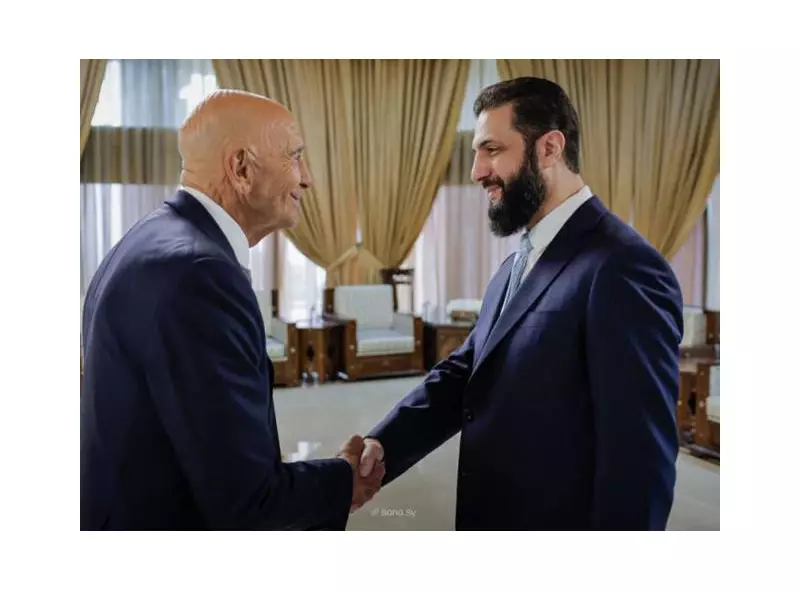
Amidst the rapid military developments, US envoy Tom Barrack held talks with President al-Sharaa in Damascus. Barrack, who had earlier met with Kurdish leaders in Erbil, Iraq, is engaged in mediation as Washington urges de-escalation. The US finds itself in a difficult position, balancing support for its Kurdish partners—who were instrumental in defeating ISIS—with the reality of al-Sharaa's push to consolidate control.
The offensive has drawn international concern. French President Emmanuel Macron expressed his worry directly to al-Sharaa, calling for the offensive to stop. France has been part of mediation efforts between Damascus and the Kurds.
Kurdish Appeals and Accusations
From the Kurdish side, Sipan Hamo, head of the People's Protection Units (YPG), the main force within the SDF, called for stronger US action. He urged Washington to offer assurances of protection given Kurdish "concerns about the changes taking place." "Our greatest hope is that there will be a tangible outcome... that they will intervene more forcefully," Hamo told Reuters.
Syrian Kurdish authorities accused Damascus of breaching agreements and intent on "sowing divisions between Arabs and Kurds." In a statement urging resistance, the civil administration running the region said, "We are facing a war for our survival." They called on residents in majority-Arab areas to stand by the SDF.
Expanding Control and Tribal Dynamics
The Syrian army's advance continued into predominantly Arab-populated areas. A government source stated that advances led by Arab tribal fighters allowed the army and its allies to move along the Euphrates' eastern bank. This effectively brings most of Deir al-Zor province, Syria's primary oil and wheat-producing area, under government control.
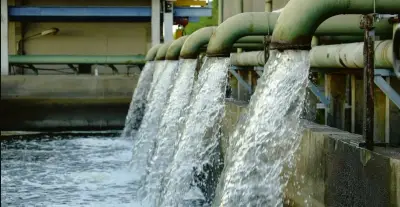
Late on Saturday, the army also seized the northern city of Tabqa and its adjacent dam, as well as the Freedom Dam west of Raqqa. The government's rapid gains have been significantly aided by thousands of tribal Arab fighters who took up arms against the SDF, fueled by resentment over forced conscription and marginalization. The government claims hundreds of SDF fighters, mostly from Arab tribes, have defected and joined tribal forces.
The SDF denies allegations of favoring Kurds in governance, stating its leadership reflects Syria's diversity. As the situation evolves, the conflict's trajectory hinges on the ongoing military campaign and the high-stakes diplomatic talks in Damascus.