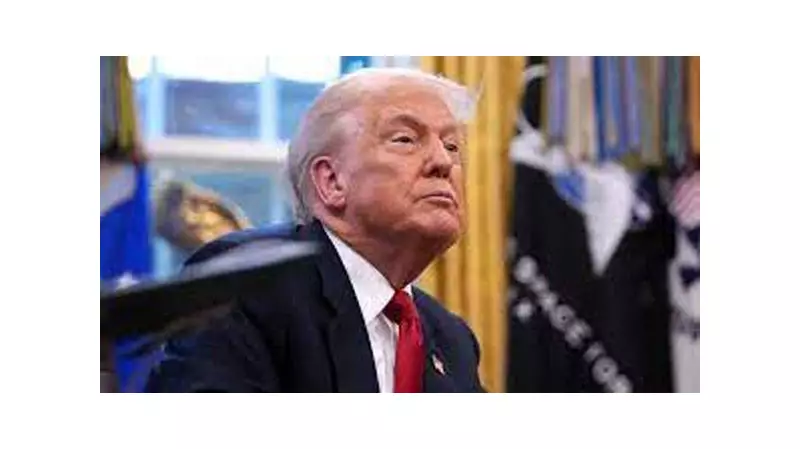
President Donald Trump has declared his administration will maintain a suspension on asylum decisions for an indefinite period, a move directly tied to a recent fatal shooting near the White House involving an Afghan refugee.
The Trigger: A Deadly Attack on National Guard
The policy shift comes in the aftermath of a tragic incident in Washington on November 26. An Afghan national, Rahmanullah Lakanwal, 29, allegedly opened fire, killing 20-year-old National Guard member Sarah Beckstrom and critically wounding another guardsman. Lakanwal has been arrested and charged with first-degree murder.
Officials revealed that Lakanwal had fought alongside a CIA-backed partner force against the Taliban in Afghanistan. He entered the United States in 2021 as part of the resettlement program following the American military withdrawal. Although he was granted asylum in April 2025 under the current Trump administration, officials have pointed fingers at the preceding Biden administration, citing what they call lax vetting during the chaotic Afghan airlift.

"No Time Limit" on Asylum Freeze
Speaking to reporters aboard Air Force One on Monday, President Trump was unequivocal about the duration of the asylum pause. When asked for a timeline, he stated he had "no time limit" in mind, emphasizing the measure would continue for "a long time."
"We don't want those people," Trump asserted. "You know why we don't want them? Because many have been no good, and they shouldn't be in our country." This stance aligns with a social media post he made after the shooting, where he wrote of plans to "permanently pause migration from all Third World Countries."
Countries Affected and Policy Implications
The Department of Homeland Security clarified the scope of the freeze, linking it to an existing list of 19 countries already facing US travel restrictions since June. This list includes nations such as Afghanistan, Cuba, Haiti, Iran, and Myanmar.
This significant hardening of US asylum policy represents a major consequence of the November shooting. It signals a prolonged halt for nationals from these specified countries seeking refuge in the United States, as the administration cites the need for system recovery and heightened security vetting.